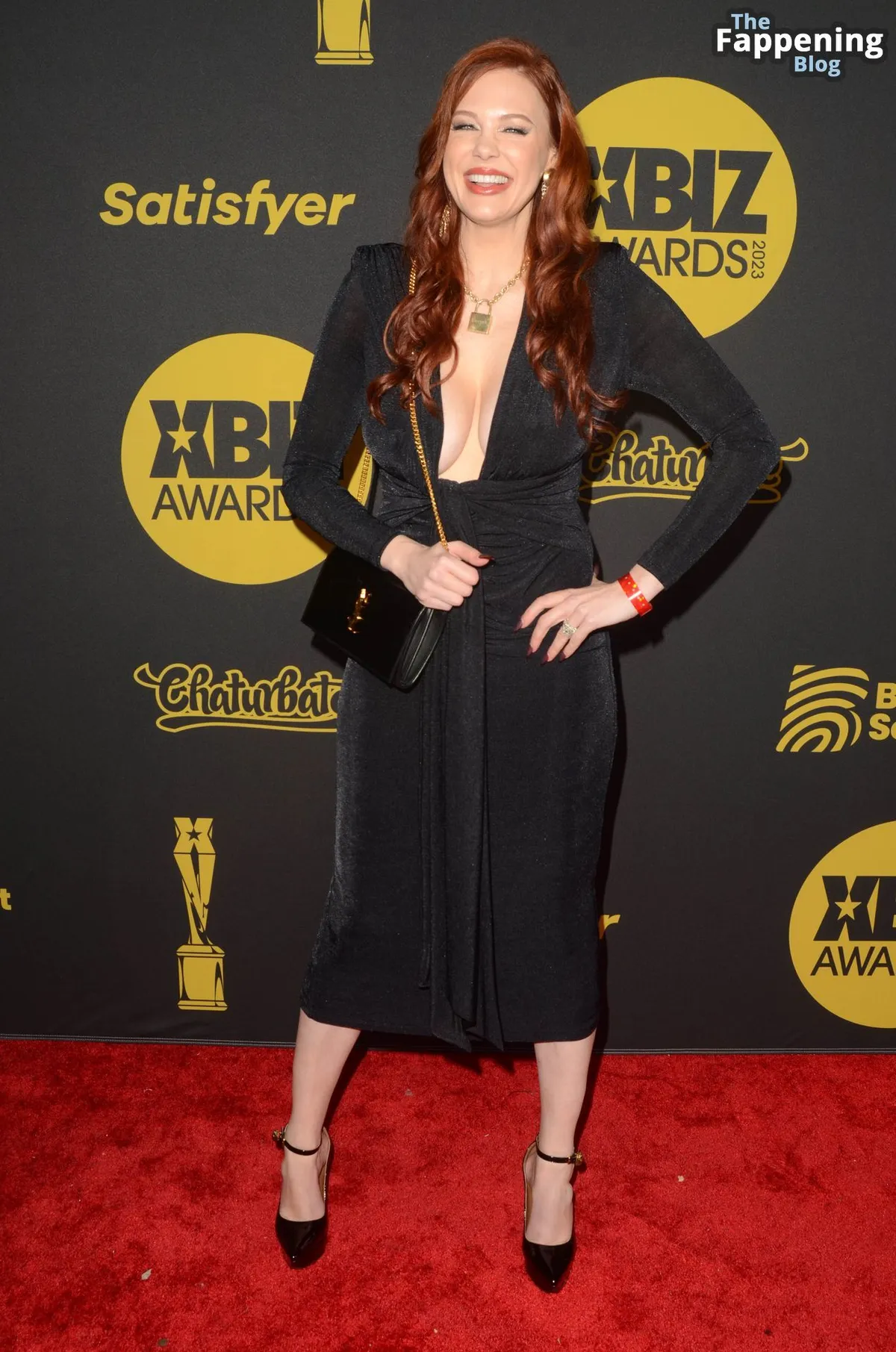
Maitland Ward has recently opened up about her experiences as a child actor in Hollywood, revealing an unsettling truth: young performers were often treated like mere products within a vast and unyielding machine. According to Ward, this factory-like environment fostered a culture where discomfort was not only common but also suppressed, which many young actors, including herself, found difficult to navigate.
Having portrayed Rachel McGuire on the popular show Boy Meets World from 1998 to 2000 and Jessica Forrester in The Bold and the Beautiful from 1994 to 1996, Ward’s insights reflect a broader narrative that resonates with numerous individuals who faced similar challenges. She describes feeling ill at ease in her own body during her formative years, a sentiment echoed by many who have grappled with the pressures of conformity imposed by the industry.
Ward’s comparison of her experiences to those of Britney Spears highlights the pervasive influence of what she calls a “twisted male gaze” in Hollywood—a perspective that prioritizes objectification over authenticity. This critical lens sheds light on how young female actors often find themselves cornered by societal expectations that prioritize appearance over individuality.
In her memoir, published in 2022 and titled Rated X: How Porn Liberated Me from Hollywood, Ward articulates her journey towards empowerment, stating that sharing her story has been liberating. She believes that many young actors faced similar treatment and were frequently cast aside when they no longer fit the industry’s mold—an unsettling reality that underscores the fragility of careers built within such an unforgiving environment.
As she prepares for the premiere of her upcoming show Hollywood Demons: Child Stars Gone Wild, scheduled for April 27, 2026, Ward aims not only to share her personal narrative but also to resonate with women who confront societal pressures daily. Her story serves as a reminder of the need for greater awareness regarding the sexualization of child actors and the systemic issues embedded within the Hollywood machine.
Ward’s candid reflections suggest that while many may have felt isolated in their struggles, there is strength in solidarity. “It’s kind of freeing to say, ‘Oh, wait, you felt that way too?'” she remarked, emphasizing the importance of community in overcoming shared adversities. This acknowledgment may pave the way for more open discussions about the treatment of child actors in an industry historically rife with exploitation.
The conversation surrounding child actors and their treatment is far from resolved; indeed, it raises critical questions about accountability and reform within Hollywood. As sources indicate, there remains much work to be done to ensure that future generations do not endure similar experiences. Maitland Ward’s revelations may serve as a catalyst for change—one can only hope that her voice inspires others to speak out against injustices within this complex landscape.