Introduction
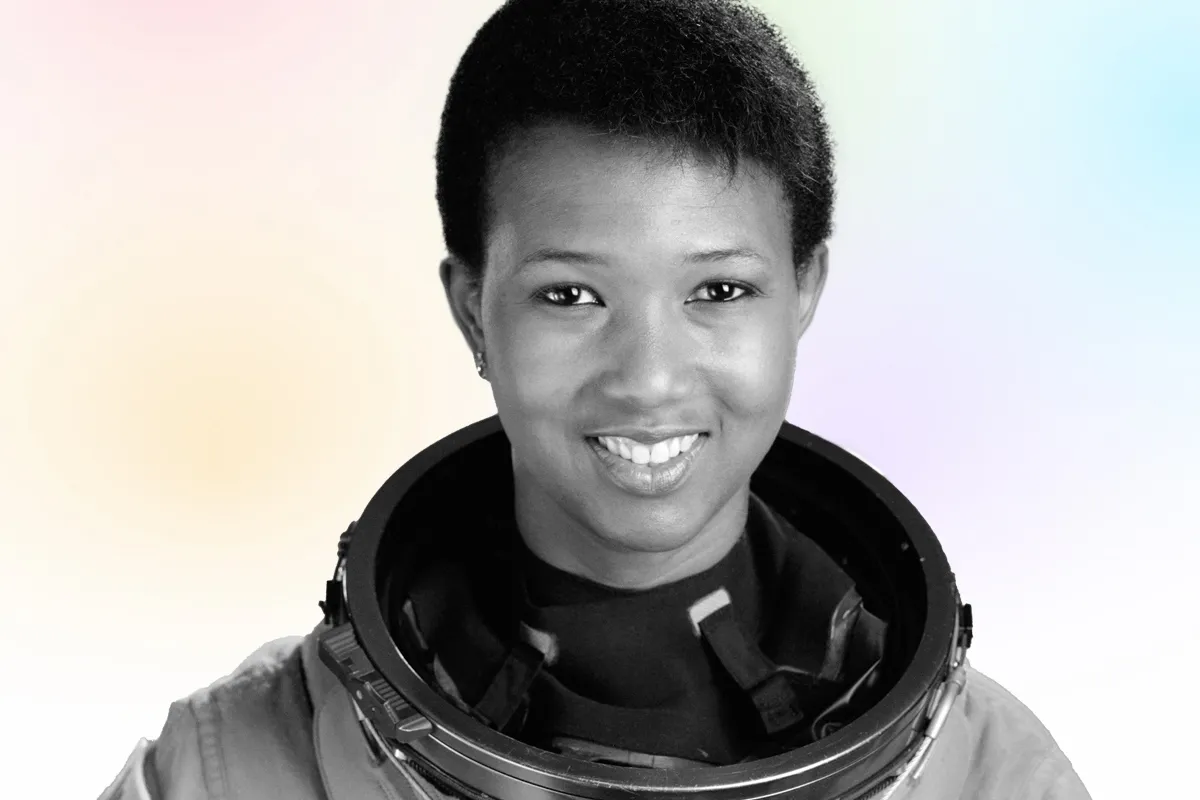
Mae Jemison, a name synonymous with courage and innovation, became the first African American woman in space when she flew aboard the Space Shuttle Endeavour on September 12, 1992. Her journey transcends the boundaries of space exploration, inspiring countless individuals in the fields of science, technology, engineering, and mathematics (STEM). Her achievements not only mark significant milestones in the history of human exploration but also highlight the importance of diversity and representation in the scientific community.
Background and Education
Born on October 17, 1956, in Decatur, Alabama, Mae Jemison always exhibited a passion for science and the arts. She attended Stanford University, earning a degree in chemical engineering and later a doctorate in medicine from Cornell University. Distinctively, Jemison was not only focused on her technical studies but also embraced the arts, studying dance and theatre, emphasizing her belief in the integration of multiple disciplines.
NASA and Spaceflight
After completing her medical degree, Jemison joined NASA’s astronaut program in 1987. Overcoming numerous obstacles as a woman of color in a predominantly white and male profession, she made history three years later as a mission specialist on STS-47, where she conducted experiments on weightlessness and hone the physical effects of space travel on the human body. Her work during the mission exemplified the critical intersection of health care and space exploration.
Post-NASA Contributions
Mae Jemison’s influence did not end with her historic flight. After leaving NASA in 1993, she founded the Jemison Group, which focuses on developing and promoting advanced technologies. Additionally, she has been a passionate advocate for education in STEM, emphasizing the importance of minority representation in these fields. Jemison has spoken at numerous educational institutions, inspiring younger generations to pursue their dreams and break barriers in science and technology.
Conclusion
Mae Jemison remains a crucial figure in both space exploration and education, serving as a role model for aspiring scientists and explorers. Her contributions go beyond her time at NASA; they encompass a broader mission of encouraging diversity and innovation within the STEM fields. As we continue to navigate challenges in space exploration and foster young talent, Jemison’s story serves as a reminder of what is possible when boundaries are pushed and dreams are pursued with passion. The future holds great potential for those inspired by Mae Jemison’s legacy, affirming that accessibility and diversity are vital for progress in science and exploration.