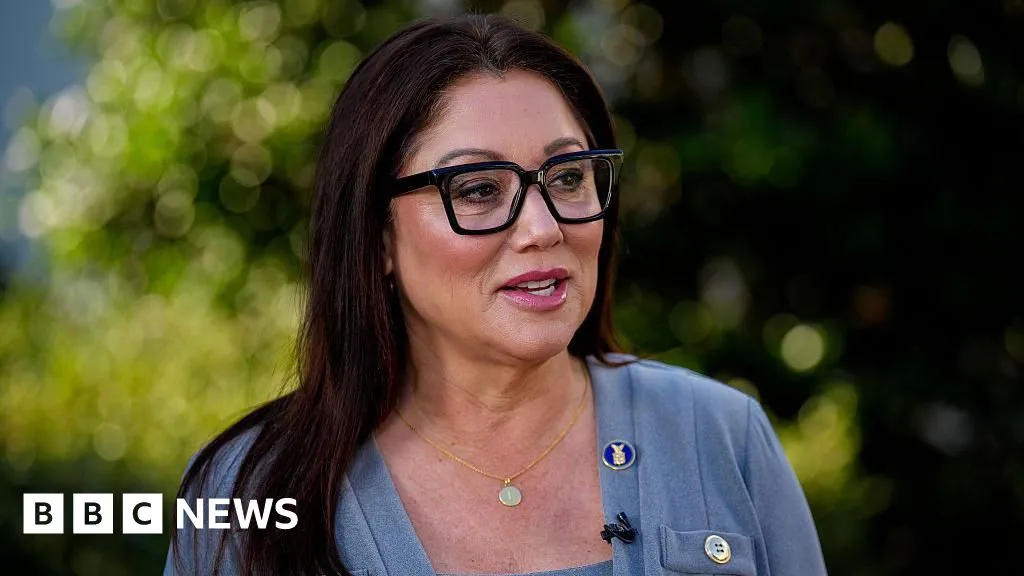
Lori Chavez-DeRemer resigned as Secretary of Labor on April 20, 2026, following a series of scandals and an internal investigation that had raised serious concerns about her conduct in office.
Documents show that her resignation was not unexpected, given the mounting allegations against her, which included claims of having an affair with a subordinate and drinking alcohol while on the job. This troubling combination of factors ultimately led to her decision to step down.
Chavez-DeRemer, who had been confirmed in a 67-32 vote by the Senate in March 2025, previously served in the House representing Oregon’s 5th Congressional District. Her confirmation was contentious, with several Republicans voting against her due to concerns over her qualifications and past statements.
In the wake of her resignation, Keith Sonderling has been announced as the acting Secretary of Labor. This transition marks a broader trend within the Trump administration, as Chavez-DeRemer is now the third Cabinet member to leave their position in 2026.
The White House had viewed Chavez-DeRemer as an effective spokesperson for President Trump’s economic message. Still, sources say that her departure could complicate ongoing efforts to address labor issues amid rising tensions between workers and employers.
Chavez-DeRemer’s tenure was marked by her advocacy for legislation aimed at making it easier for employees to unionize—a stance that resonated with many labor advocates but also drew criticism from some business groups.
Additionally, documents indicate that her husband, Shawn DeRemer, was banned from Labor Department headquarters after allegations of inappropriate behavior surfaced. This personal controversy further complicated her role as Secretary.
In a statement regarding her resignation, Steven Cheung remarked that “Labor Secretary Lori Chavez-DeRemer will be leaving the Administration to take a position in the private sector.” He emphasized that she had done a “phenomenal job” by protecting American workers and enacting fair labor practices.
The implications of this resignation extend beyond just one individual; they reflect ongoing challenges within the Trump administration concerning labor relations and governance. As these events unfold, observers will be keenly watching how this vacancy affects both policy direction and political dynamics moving forward.
Details remain unconfirmed regarding any immediate successors or broader strategic changes within the Labor Department following this significant shake-up.