Introduction
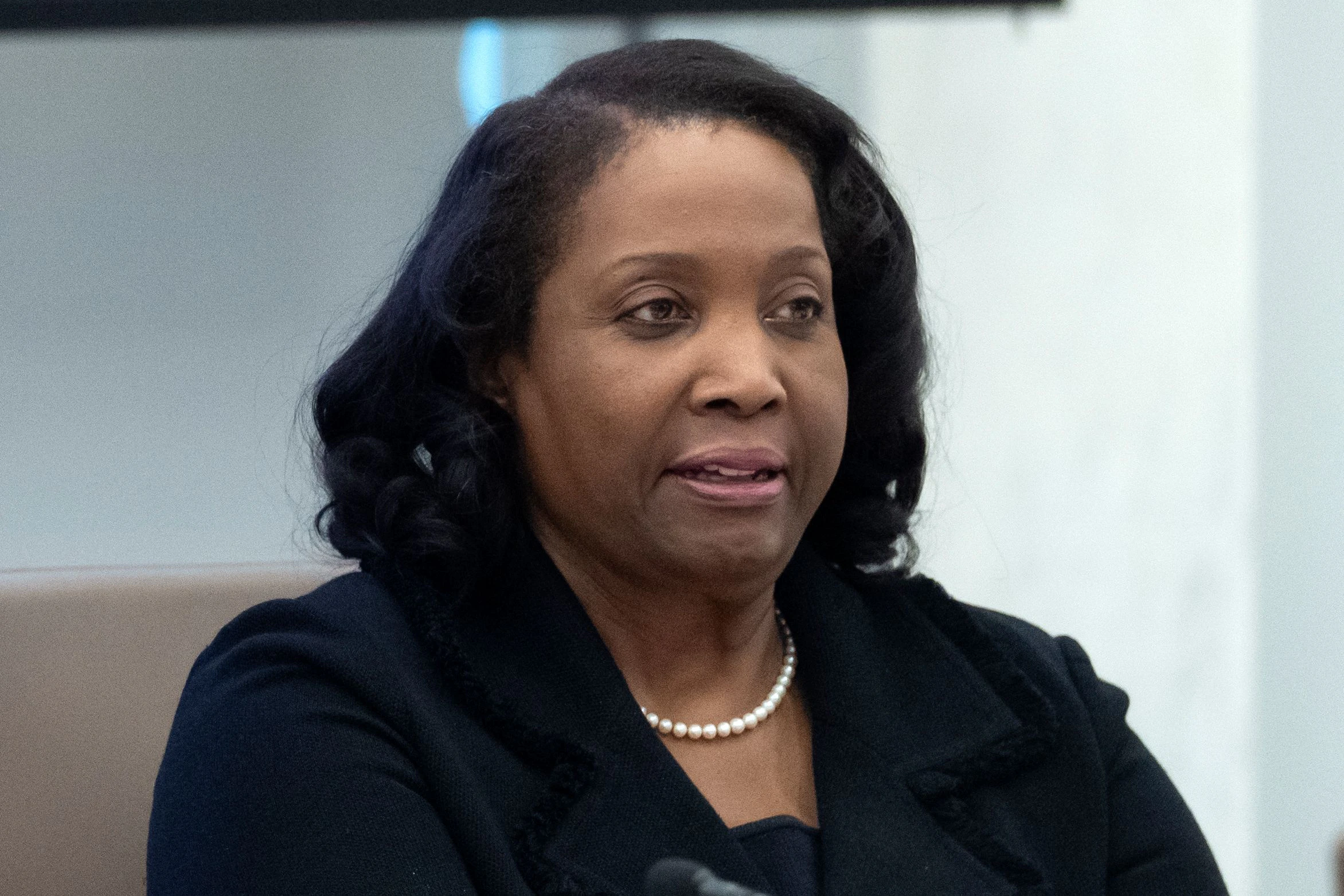
Lisa Cook’s appointment to the Federal Reserve Board in 2022 marked a significant milestone in the history of U.S. economics and governance. As the first Black woman to hold this prestigious position, her presence on the board is not only a testament to her impressive qualifications but also a beacon of progress towards diversity and inclusion in top-level financial institutions.
Background and Qualifications
Lisa Cook has a formidable academic and professional background, having earned her Ph.D. in economics from the University of California, Berkeley. Prior to her appointment, Cook served as a professor of economics and international relations at Michigan State University, where her research focused on innovation, economic growth, and the intersections of race and gender in the economic landscape. Cook previously held roles at the White House Council of Economic Advisers, the U.S. Department of Commerce, and as a Fulbright scholar in Uganda, bringing a wealth of experience to the Federal Reserve.
Significance of Her Role
The Federal Reserve plays a crucial role in shaping U.S. monetary policy, influencing everything from inflation rates to employment numbers. With Cook’s expertise, she aims to bring a valuable perspective to the board, particularly on issues related to economic equity and financial inclusion. As the U.S. grapples with inequities in wealth distribution and access to financial systems, Cook’s insights are poised to guide policy in a direction that considers marginalized communities.
Current Impact and Future Outlook
Since her appointment, Cook has participated in discussions about the economic recovery post-pandemic and the need to address systemic economic inequalities. Her focus on innovation and understanding diverse economic experiences is anticipated to influence future policies. As economic challenges persist, such as rising inflation and fluctuating employment rates, the insights of economists like Cook will be critical in framing effective responses.
Conclusion
Lisa Cook’s groundbreaking role at the Federal Reserve represents not just personal achievement but a shift towards a more inclusive economic dialogue in America. Her contributions could pave the way for broader representation in banking and finance, allowing for policies that account for the needs and challenges of all Americans. As we observe Cook’s initiatives on the board, her influence will likely extend beyond monetary policy, fostering an environment that echoes commitment to equity and sustainability in the economy for years to come.