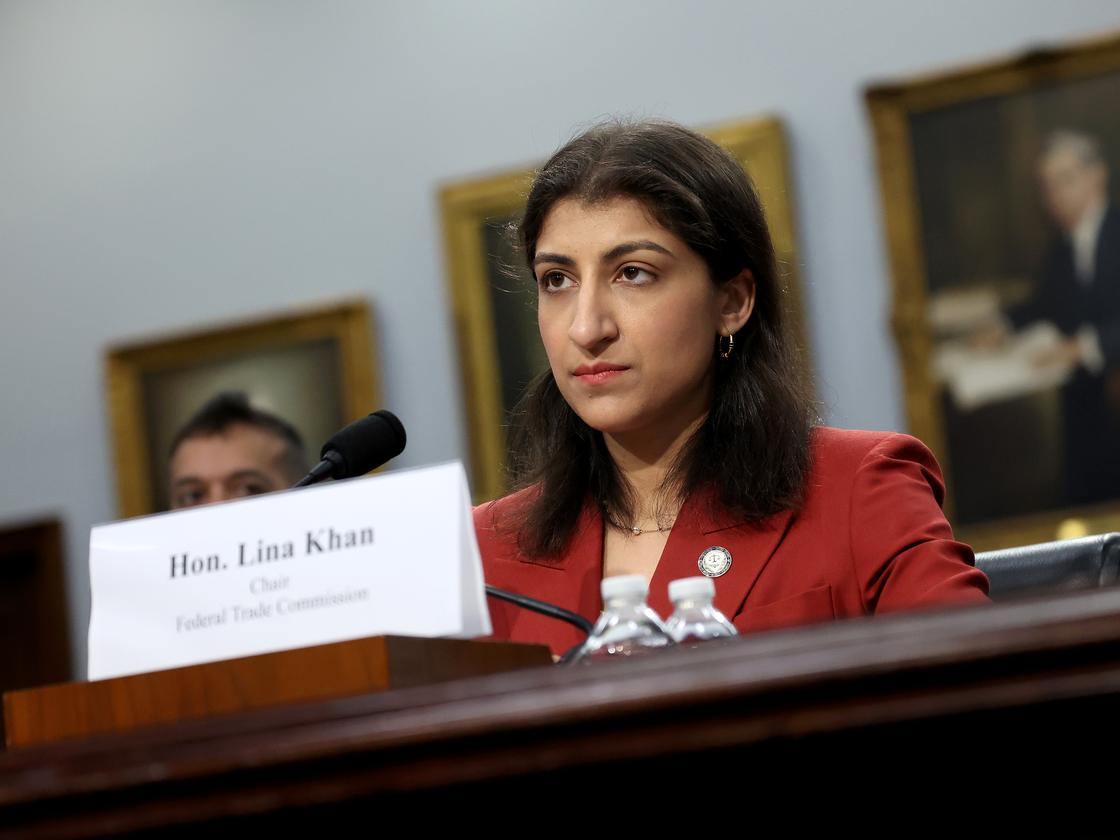
Introduction to Lina Khan
Lina Khan, the current chair of the Federal Trade Commission (FTC), has emerged as a significant figure in American antitrust law since her appointment in 2021. With her rigorous approach to corporate regulation and enforcement, Khan is reshaping how federal agencies tackle monopolistic practices. Her progressive stance has garnered attention amid rising concerns about corporate power and its implications for consumer welfare, competition, and innovation.
Background and Career
Khan, a graduate of Yale Law School, rose to prominence from her groundbreaking 2017 article, “Amazon’s Antitrust Paradox,” published in the Yale Law Journal. In this article, Khan argued that existing antitrust laws fail to effectively regulate tech giants like Amazon, suggesting that the focus should shift from consumer prices to the broader impacts of monopolistic practices on market structures and competition. Her work gained traction in academic and policy circles, ultimately leading to her appointment as FTC chair.
Key Initiatives and Actions
Since taking office, Khan has prioritized a series of aggressive measures against monopolies in various industries. Notable actions include:
- Scrutiny of Big Tech: Under her leadership, the FTC has taken aim at large technology companies, probing into their business practices and acquisitions. This includes ongoing investigations into companies like Meta, Google, and Amazon.
- Revising Merger Guidelines: Khan has spearheaded efforts to revise merger guidelines, making it more difficult for companies to merge if the transaction could potentially reduce competition, even if it doesn’t raise consumer prices.
- Advocating for Antitrust Reform: Khan’s push for reform extends to legislative efforts, advocating for updates to antitrust laws to adapt to the realities of the modern economy.
Challenges and Criticism
Despite her ambitious agenda, Khan faces criticisms from various quarters. Some industry representatives argue her approach could hinder innovation and lead to stagnation in technology sectors. Additionally, her decisions have sparked legal battles, particularly regarding the FTC’s attempts to block mergers and acquisitions.
Conclusion and Future Outlook
As Lina Khan continues to lead the FTC, her impact on antitrust law and corporate regulation is poised to be significant. Experts forecast that her tenure may result in a fundamental shift in how antitrust cases are handled, potentially redefining competitive practices across industries. For consumers, increased scrutiny of monopolistic behaviors could lead to changes in market dynamics that prioritize fair competition and consumer choice. Khan’s leadership marks a pivotal moment in antitrust enforcement, with implications that may resonate for years to come.