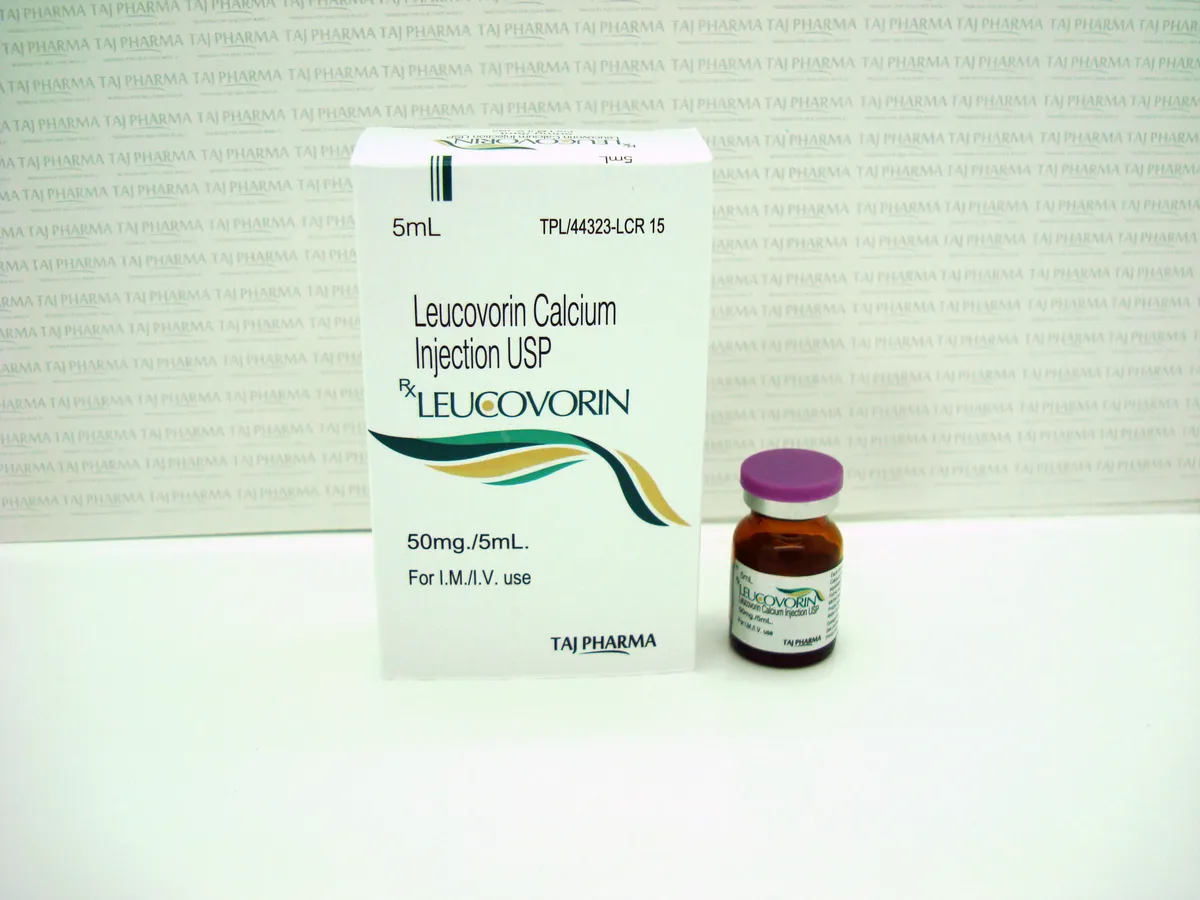
What does the FDA’s approval of leucovorin mean for patients?
The FDA has approved leucovorin for cerebral folate deficiency, a rare genetic condition affecting about 1 in 1 million people. This high-dose B vitamin is primarily used to counteract the side effects of chemotherapy. However, its recent approval has sparked discussions about its potential use in treating autism.
Fewer than 50 cases of cerebral folate deficiency have been identified worldwide, prompting the FDA to base its approval on a systematic literature review that included case reports and mechanistic data. The condition limits the delivery of folate to the brain, which can affect thinking, speech, and movement.
Despite the FDA’s approval for cerebral folate deficiency, the agency has stated there is insufficient evidence to support the use of leucovorin for autism treatment. A significant surge in prescriptions occurred after a White House briefing in September, leading to shortages of the drug. Reports indicate that 71% of outpatient prescriptions for leucovorin increased following this event.
Some parents have reported improvements in their autistic children after using leucovorin, although these claims lack strong scientific backing. Notably, the largest randomized double-blind, placebo-controlled trial testing leucovorin for autism was retracted due to errors, raising further concerns about the drug’s efficacy in this population.
Dr. I. David Goldman expressed concern over the situation, stating, “The damage is done, because parents with autistic kids are desperate.” This sentiment reflects the urgency many families feel in seeking effective treatments.
Furthermore, the FDA has indicated that it is open to interest from companies willing to study leucovorin in the autism population. However, the agency has not committed to further studies on leucovorin’s efficacy for autism, leaving many questions unanswered.
Details remain unconfirmed regarding the long-term effects of leucovorin on children with autism. While some studies suggest that 60% of children with folate deficiency and autism could improve speech with leucovorin, the lack of robust evidence continues to be a point of contention.
Leucovorin has been used to treat folate deficiency since 2009, and its recent approval for cerebral folate deficiency marks a significant step in addressing this rare condition. As the conversation around its use in autism continues, stakeholders await further research and clarity from health authorities.