Introduction
The Gateway Tunnel Project is one of the most significant infrastructure initiatives in the Northeastern United States, aimed at improving transportation and commuter access between New Jersey and New York City. This $12.7 billion project is critical not only for its immediate region but also for the nation’s economy as it addresses critical congestion issues on one of the busiest rail corridors in the country.
Project Overview
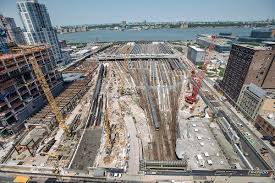
The Gateway Tunnel Project involves the construction of a new rail tunnel under the Hudson River, which will complement the existing 109-year-old rail tunnels that are currently in operation. These aging tunnels have faced substantial challenges, particularly post-Hurricane Sandy, leading to service disruptions and increased repair costs. The new tunnels are expected to enhance capacity and reliability, significantly improving the experience for thousands of daily commuters.
Current Status and Funding
As of October 2023, significant progress has been reported regarding the Gateway Tunnel Project, with construction having commenced on various preparatory activities. In September 2023, the Federal Transit Administration officially announced its commitment to allocate federal funding, providing approximately $2 billion towards the early phases of the project. This crucial financial backing has set the stage for continued development and advancement.
Additionally, stakeholders from New Jersey and New York have pledged their support, with both states contributing funds and resources to facilitate the project’s timely completion. The project is expected to create thousands of jobs and stimulate economic growth in the region, making it a focal point for local government officials and business leaders.
Future Implications
Looking ahead, the Gateway Tunnel Project promises to alleviate severe congestion that currently affects daily commuters between New Jersey and New York City, with projections estimating up to 200,000 passengers using the new tunnels on a daily basis by 2040. With ongoing federal commitment and collaboration between state agencies, the tunnel is not just enhancing infrastructure but also addressing broader concerns regarding climate resilience and sustainable urban transit.
Conclusion
The Gateway Tunnel Project represents a significant investment in the future of transportation infrastructure in the Northeastern United States. As construction advances, it signifies a crucial step towards enhancing commuter connectivity, economic resilience, and environmental sustainability. The successful completion of this project may serve as a model for future large-scale infrastructure developments across the country, ultimately benefiting millions of passengers seeking reliable and efficient transit options.