Introduction
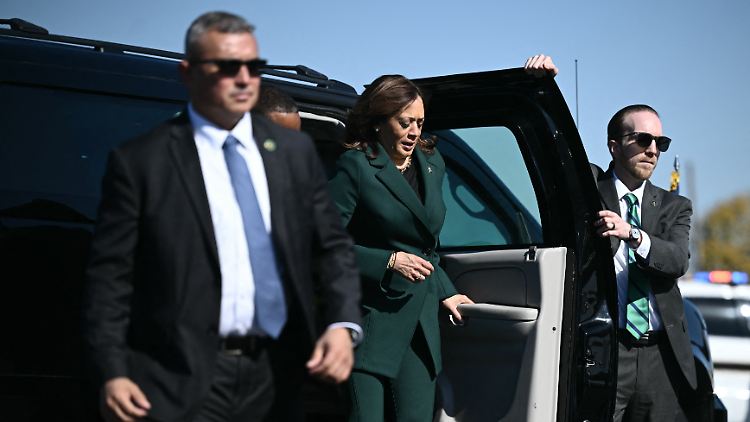
Kamala Harris has made significant waves in American politics as the first female Vice President of the United States, breaking barriers for women and minorities in leadership roles. Her historic position has not only pushed for policies aimed at improving the lives of everyday Americans but has also inspired countless individuals who have seen reflections of their own struggles in her story.
Early Life and Career
Born on October 20, 1964, in Oakland, California, Kamala Harris is the daughter of immigrant parents from India and Jamaica. Harris graduated from Howard University, where she earned a degree in political science and economics before attending the University of California, Hastings College of the Law. After a successful career as a prosecutor, she became the first woman and first African American to serve as California’s Attorney General from 2011 to 2017.
Political Ascendancy
Harris’s rise to national prominence began when she was elected to the U.S. Senate in 2016. As Senator, she focused on progressive issues, including healthcare, climate change, and criminal justice reform. In 2020, she made history again when she was selected as Joe Biden’s running mate, becoming the first woman of South Asian and African American descent nominated for Vice Presidency by a major political party. The Biden-Harris campaign successfully won the election and took office on January 20, 2021.
Impact as Vice President
Since taking office, Vice President Harris has continued to advocate for equity and justice, addressing issues such as immigration reform, women’s rights, and economic recovery post-COVID-19. She has played a critical role in boosting vaccine distributions during the pandemic and addressing systemic inequalities that have been highlighted by recent social movements.
Challenges and Criticism
Despite her groundbreaking role, Harris has faced criticism from various factions, including questions about her handling of the border crisis and the execution of the administration’s policy initiatives. Navigating these challenges is essential not just for her political future but also for the administration’s success in achieving its goals.
Conclusion
Kamala Harris’s journey is not merely a personal triumph but a reflection of the potential for change and progress in American politics. As she continues to serve in a capacity where her actions can influence future generations, the significance of her leadership, particularly for women and people of color, will remain profound. The next few years will be crucial in defining her legacy and the impact she will have on future Pand campaigns. Harris’s story is still being written, and her role in shaping policy will undoubtedly resonate for years to come.