Introduction
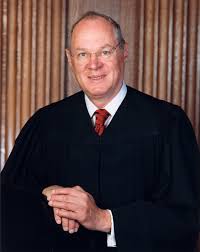
Justice Anthony Kennedy, who served on the U.S. Supreme Court from 1988 until his retirement in 2018, is recognized as one of the most influential justices in recent history. His judicial philosophy and pivotal role in key rulings have had a significant impact on American law and society, particularly in areas such as individual liberties, civil rights, and the balance of state and federal powers.
Key Decisions and Impact
Kennedy’s tenure was marked by several landmark decisions that shaped American law. For instance, in Obergefell v. Hodges (2015), he authored the majority opinion that legalized same-sex marriage nationwide, a decision hailed as a major victory for LGBTQ rights. His reasoning emphasized the dignity of individuals and the importance of personal choice in matters of love and marriage.
Justice Kennedy was often viewed as the swing vote in many contentious cases, with his centrist views bridging the ideological divide between the Court’s liberal and conservative members. In Planned Parenthood v. Casey (1992), he played a crucial role in upholding Roe v. Wade while also allowing states to impose certain regulations, reflecting his nuanced approach to issues of personal freedom.
Furthermore, in Citizens United v. FEC (2010), Kennedy wrote the majority opinion that allowed for unlimited corporate spending in political campaigns, igniting national debates about money in politics and its implications for democracy.
Legacy and Significance
Since his retirement, the legal community and the public have continued to reflect on Kennedy’s legacy as a champion of individual rights and a guardian of the Constitution. His judicial philosophy often centered around the principles of personal liberty and dignity, and he was known for his articulate and thoughtful opinions that often underscored the changing social landscape in the United States.
As the Court continues to tackle polarizing issues, such as reproductive rights, voting rights, and LGBTQ+ protections, Kennedy’s legacy looms large. Many observers note that his emphasis on collegiality and compromise is increasingly important in today’s highly polarized political climate.
Conclusion
Justice Anthony Kennedy’s impact on the Supreme Court continues to be felt across the nation. His decisions have not only shaped the legal landscape but have also contributed to broader societal changes and discussions about individual rights. As current and up-and-coming justices navigate complex legal challenges, Kennedy’s influence will likely remain a point of reference for years to come.