Introduction
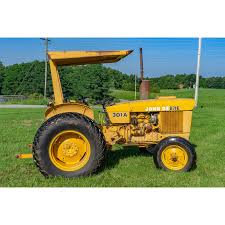
John Deere, a household name in agricultural equipment, has been at the forefront of innovation in the agriculture industry for over 180 years. Founded in 1837, the company has continually adapted to meet the changing needs of farmers and the global market. As the world increasingly turns to sustainable practices to combat climate change and food insecurity, the relevance of John Deere’s advanced machinery and technology cannot be overstated.
Recent Developments
In 2023, John Deere made headlines by unveiling its latest series of autonomous tractors and precision farming technologies at the National Farm Machinery Show. These innovations are designed to help farmers optimize productivity while minimizing environmental impact. The autonomous tractors, equipped with advanced GPS and AI technology, allow for more efficient planting, tilling, and harvesting processes.
Moreover, John Deere’s commitment to sustainability is evident through initiatives aimed at reducing carbon emissions. The company announced a partnership with several agricultural cooperatives to promote carbon capture and storage technologies, which are crucial for achieving the industry’s sustainability goals. According to industry reports, these developments could significantly lower the carbon footprint of farming operations, aligning with global climate targets.
Impact on Farmers and the Community
The advancements made by John Deere are not just technological; they also have profound effects on the livelihood of farmers. With the ability to utilize machinery that requires less manual labor and increases efficiency, farmers can maximize their yields and improve profitability. During recent surveys, farmers who adopted John Deere’s precision agriculture tools reported an average increase in productivity of over 20%.
Furthermore, John Deere continues its commitment to community engagement through educational initiatives and support for local farmers markets. The company sponsors programs that educate young people about agriculture, ensuring the next generation is equipped with the knowledge needed to sustain the industry.
Conclusion
As we look to the future, John Deere stands as a beacon of innovation in the agriculture sector. The company’s ongoing advancements in technology and sustainability not only enhance farming efficiency but also contribute positively to environmental health. With global population growth and increasing food demands, the significance of John Deere’s efforts is more vital than ever. As John Deere continues to lead the charge in modern agriculture, it sets a powerful example for other sectors to embrace innovation and sustainability for a better future.