Before the Departure
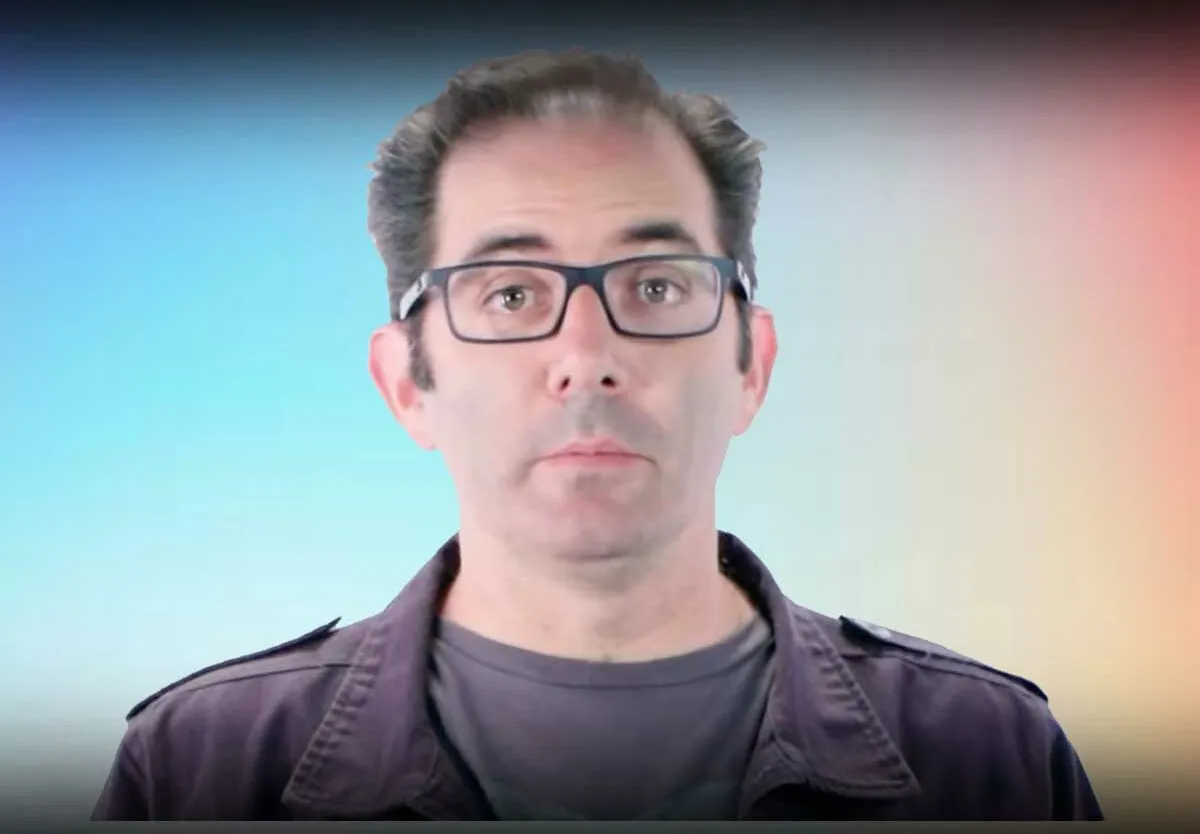
Prior to April 20, 2021, Jeff Kaplan was a prominent figure in the gaming industry, having spent 19 years at Blizzard Entertainment. As the director of Overwatch, he played a crucial role in the success of the franchise, which generated an impressive $1 billion in revenue during its first year. The Overwatch League, launched in 2017, was seen as a groundbreaking venture in esports, aiming to capitalize on the game’s popularity and projected to bring in $125 million in revenue.
The Decisive Moment
However, Kaplan’s departure was a response to mounting pressures within Activision Blizzard. He described the Overwatch League as overmarketed and a “house of cards,” highlighting the disconnect between expectations and reality. The pressure to deliver profits led to a diversion of resources away from developing new content, focusing instead on monetizing the esports aspect of the franchise. Kaplan’s exit was officially announced on April 20, 2021, marking a pivotal moment for both him and the company.
Direct Effects on the Parties Involved
The immediate aftermath of Kaplan’s departure left many within the gaming community and the Overwatch team unsettled. His exit signaled a potential shift in the direction of the Overwatch franchise, which had already been facing challenges. Kaplan himself expressed frustration, stating, “It was the biggest fuck you moment I’ve had in my career.” This sentiment reflects the disillusionment that many felt regarding the corporate decisions impacting the game’s development.
Expert Perspectives on the Shift
Industry experts have weighed in on the implications of Kaplan’s exit and the Overwatch League’s struggles. Kaplan noted that the initial excitement surrounding the Overwatch League became overwhelming, stating, “Where it got away from us is that there was a lot of excitement about Overwatch League, like too much.” This sentiment underscores the challenges of managing expectations in a rapidly evolving gaming landscape.
The Broader Context
Kaplan’s departure is emblematic of larger issues within the gaming industry, particularly regarding corporate management and the balance between profitability and creative development. He remarked, “The road to hell is paved with good intentions, that was the Overwatch League and it ended up being an albatross.” This highlights the difficulties faced by developers when corporate goals overshadow the creative process.
Looking Ahead
The future of the Overwatch franchise remains uncertain, especially with the Overwatch League closing in 2024. Kaplan’s departure has raised questions about the direction of the game and the potential for new content. As he stated, “You’re not working on new world events, you’re not focused on Overwatch 2, you’re just treading water.” This indicates a critical need for a renewed focus on the game’s development and community engagement.
Jeff Kaplan’s exit from Activision Blizzard serves as a significant turning point in the narrative of the Overwatch franchise. It reflects the complexities of navigating corporate pressures while striving for creative innovation in the gaming industry. As the landscape continues to evolve, the lessons learned from this experience will likely resonate throughout the sector.