Introduction: The Importance of Earthquake Preparedness
Japan, located along the Pacific Ring of Fire, is one of the most seismically active regions globally. With a history of significant earthquakes and the potential for devastating tsunamis, understanding the current status of earthquake activity and tsunami warnings is crucial for residents and international observers alike. The recent uptick in seismic activity has raised concern among authorities and citizens, highlighting the need for effective disaster preparedness.
Recent Earthquake Activity
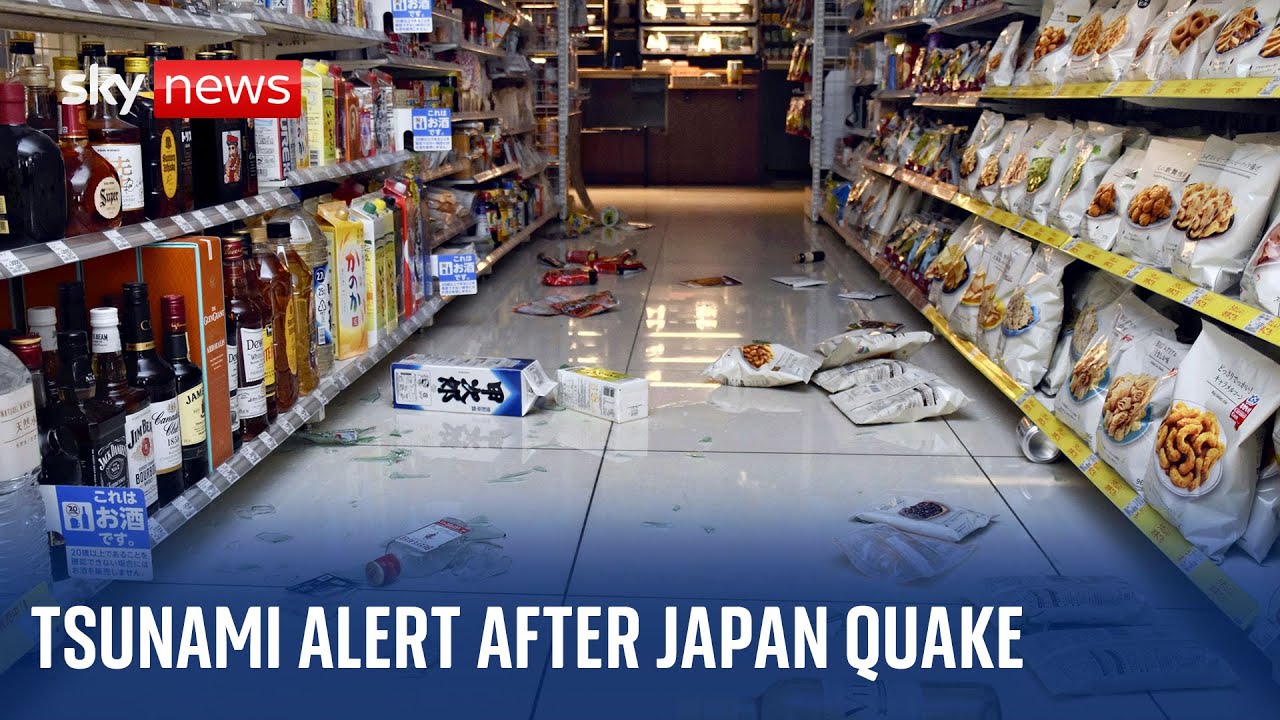
In the past month, several earthquakes have struck various parts of Japan, ranging from minor tremors to more powerful quakes. One notable event was a 6.1 magnitude earthquake that occurred off the coast of Honshu on October 12, 2023. This earthquake prompted immediate tsunami warnings, although they were later lifted as the threat diminished. The Japan Meteorological Agency (JMA) reported that such occurrences are not unexpected due to Japan’s geological positioning.
Tsunami Warnings and Responses
In response to the recent seismic events, the JMA has reiterated the importance of immediate response protocols for tsunami warnings. When a significant earthquake is detected, the agency closely monitors sea level changes and utilizes tide gauges to assess potential threats. Fortunately, the latest quakes did not result in major tsunami impacts thanks to timely assessments and public alerts. Education on tsunami preparedness continues to be emphasized, especially in coastal regions.
Community Preparedness and Government Actions
In light of recent events, local governments have launched initiatives to educate the public regarding earthquake safety and tsunami evacuation routes. Drills are being held in various communities to ensure that residents know how to respond effectively. The Japanese government has invested significantly in infrastructure aimed at minimizing tsunami damage; however, discussions continue regarding the need for more robust measures in the face of climate change and more frequent seismic activity.
Conclusion: Moving Forward with Caution
The recent earthquakes in Japan serve as a stark reminder of the region’s vulnerability to seismic activity and the accompanying risks of tsunamis. Continuous monitoring, public education, and preparedness drills are essential for safeguarding lives and property. As Japan faces ongoing geological challenges, collaboration between governmental agencies, researchers, and communities will be pivotal for enhancing resilience to future earthquakes and tsunami threats. Understanding and respecting the power of nature will be key for all residents living in this seismically active nation.