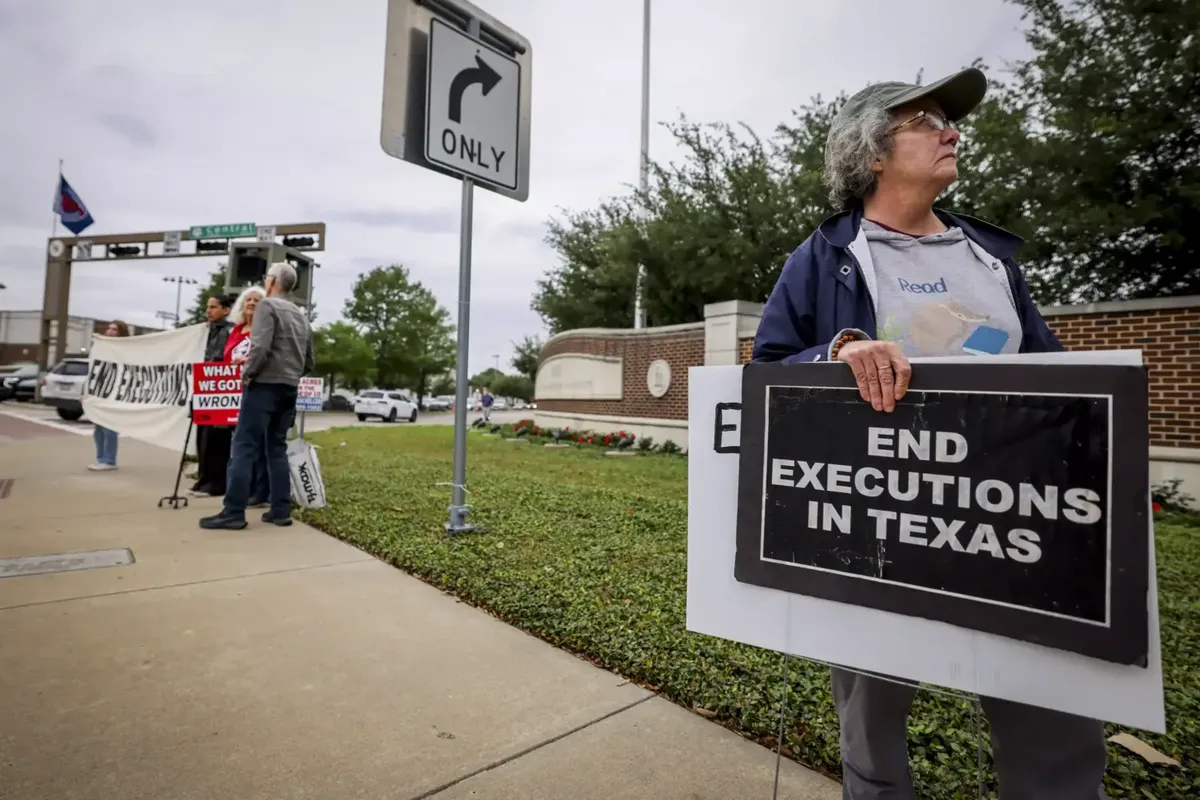
On April 30, 2026, James Broadnax was executed by lethal injection in Huntsville, Texas, for the 2008 robbery and murders of Stephen Swan and Matthew Butler. This execution occurred despite a recent confession from his cousin, Demarius Cummings, who claimed responsibility as the actual shooter in the case.
The circumstances surrounding Broadnax’s conviction are complex and have raised significant concerns about potential wrongful conviction within the criminal justice system. After being convicted and sentenced to death in 2009, Broadnax maintained his innocence throughout the legal proceedings. His legal team requested a reprieve based on new evidence—the confession from Cummings—yet this request was denied by authorities.
Key facts about James Broadnax’s case:
- Broadnax was 37 years old at the time of his execution.
- Cummings received a life sentence without parole for his involvement in the crime.
- More than 80,000 signatures were collected in support of clemency for Broadnax.
- Prayer vigils were held across Texas on the day of his execution.
Broadnax’s last words included expressions of gratitude for those who supported him and a plea for forgiveness directed at the families of the victims. He asserted his innocence, stating, “I’m innocent; the facts of my case should speak for itself period.” This statement underscores the enduring controversy surrounding the case and its implications for justice.
The U.S. Supreme Court ultimately denied Broadnax’s final appeal to halt his execution. His legal team argued that he had been under the influence of drugs when he initially confessed to being involved in the shooting—a claim that adds another layer of complexity to an already fraught narrative. As discussions continue regarding wrongful convictions and capital punishment, this case exemplifies ongoing debates within the realm of criminal justice.
The fallout from this execution raises questions about accountability and justice within Texas’s legal framework. With Cummings’ confession now part of public discourse, advocates for reform are calling attention to systemic issues that may lead to similar situations in future cases.