The Impact of Jackie Robinson
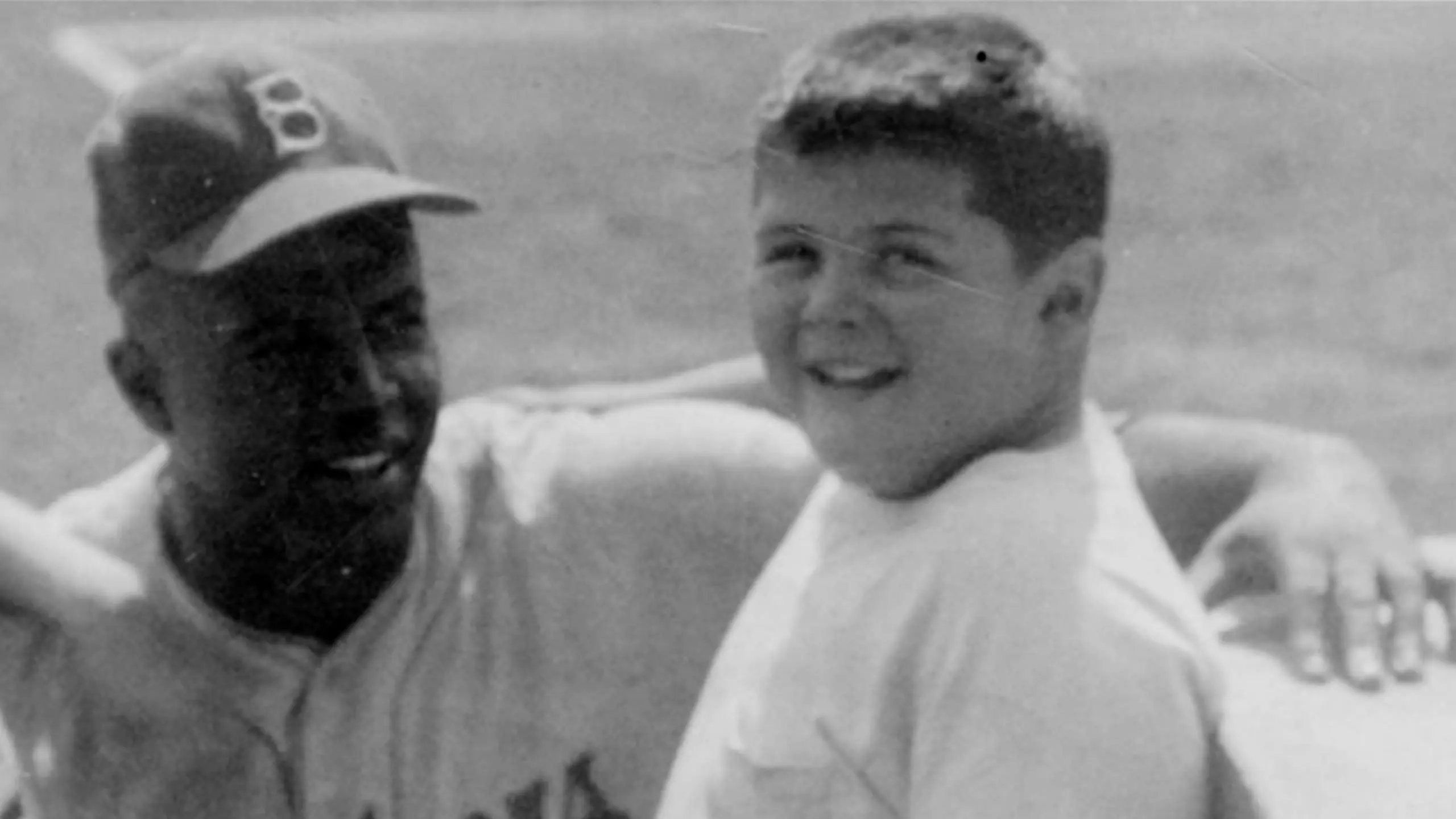
Jackie Robinson holds a pivotal place in American history as not only the first African American to break Major League Baseball’s color barrier but also as a symbol of courage and perseverance in the face of adversity. His debut with the Brooklyn Dodgers on April 15, 1947, marked a turning point in sports and civil rights, illustrating the potential for equality through determination and talent.
Robinson’s Early Life and Career
Born on January 31, 1919, in Cairo, Georgia, Robinson was the youngest of five children. Growing up in a poor but close-knit family, he excelled in sports, attending UCLA and becoming the school’s first athlete to earn varsity letters in four different sports. After serving in World War II, Robinson played for the Kansas City Monarchs in the Negro Leagues, where he caught the attention of Dodgers executive Branch Rickey.
Breaking the Color Barrier
Jackie Robinson faced immense challenges during his career, from death threats to racial slurs both on and off the field. Nevertheless, he maintained his composure, famously adhering to Rickey’s mandate to not retaliate against the hostility. His exceptional performance, including a batting average of .311 in his rookie season and winning the Rookie of the Year award, helped shift public perception of black athletes in professional sports.
Legacy and Influence
Robinson’s impact extends beyond the baseball diamond. He became a vocal advocate for civil rights, urging for social justice and equality throughout his life. His contributions to the civil rights movement culminated with the establishment of the Jackie Robinson Foundation, which provides scholarships for minority students. His legacy is celebrated every year on April 15, known as Jackie Robinson Day, when all players wear his iconic number 42.
Conclusion
Jackie Robinson’s journey was not just about sports; it was a quest for equality and justice in America. His courage continues to inspire athletes and non-athletes alike, highlighting the importance of fighting against discrimination and championing change. As society moves toward greater inclusion, Robinson’s legacy serves as a guiding light, reminding us that one person’s resolve can reshape an entire culture.