Introduction
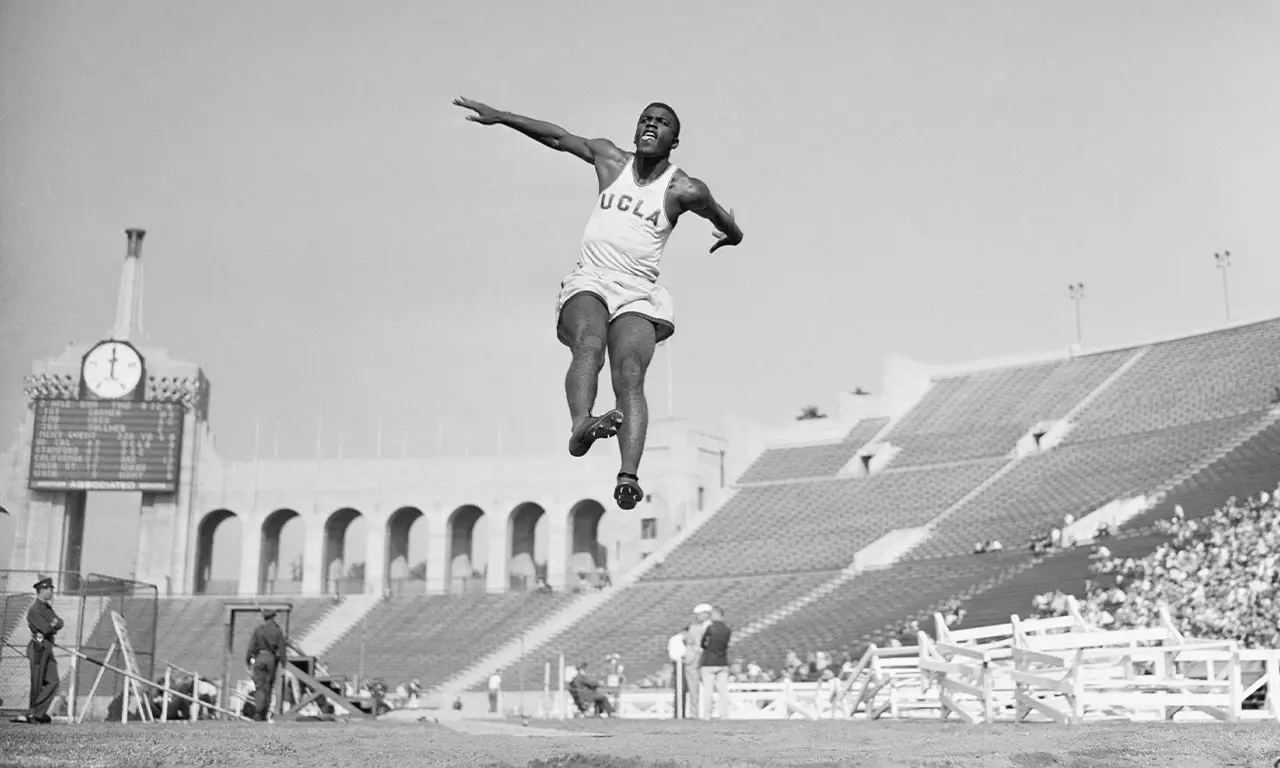
Jackie Robinson, a name synonymous with courage, resilience, and change, transformed the landscape of baseball and the fight for civil rights in America. His debut in Major League Baseball (MLB) on April 15, 1947, with the Brooklyn Dodgers not only broke the color barrier but also set the stage for a broader movement towards equality in sports and beyond. As we reflect on Robinson’s legacy, it’s crucial to acknowledge his profound impact on both the sports world and American society.
Jackie Robinson’s Impact on Baseball
Robinson was the first African American to play in the MLB in the modern era, a monumental achievement that came at a time when racial segregation was rampant. His exceptional skills, including a batting average of .311 and being named Rookie of the Year in 1947, helped change perceptions and demonstrate that African Americans could compete at the highest levels of sports. Despite facing immense hostility, threats, and racism, Robinson’s commitment to excellence and sportsmanship opened doors for future generations of athletes.
Social Change and Advocacy
Beyond the baseball diamond, Robinson was a staunch advocate for civil rights. His platform allowed him to address injustices faced by African Americans in post-war America. He worked alongside prominent civil rights leaders and participated actively in various movements aimed at dismantling racial barriers. In 1962, he was inducted into the Baseball Hall of Fame, cementing his legacy as a pioneer not just in sports, but in the ongoing fight for social justice.
Legacy Today
In 2023, Jackie Robinson’s impact is still felt profoundly. Schools and organizations commemorate April 15 as Jackie Robinson Day, where players across MLB wear his number, 42, to honor his contributions. The ongoing discussions regarding equality and inclusion in sports today can trace their roots back to the resilience and bravery displayed by Robinson during his career. His autobiography, published in 1972, and various films about his life continue to inspire future generations to strive for change.
Conclusion
Jackie Robinson is more than a baseball player; he is a symbol of perseverance in the face of adversity. His legacy serves as a reminder that sports can be a catalyst for social change. As we continue to confront issues of racial inequality, we can draw inspiration from Robinson’s journey. His unwavering commitment to justice not only reshaped baseball, but it also offered hope and direction in the fight for equity in all aspects of life. The principles he stood for remain relevant today, encouraging us all to break barriers and advocate for a more inclusive future.