Introduction
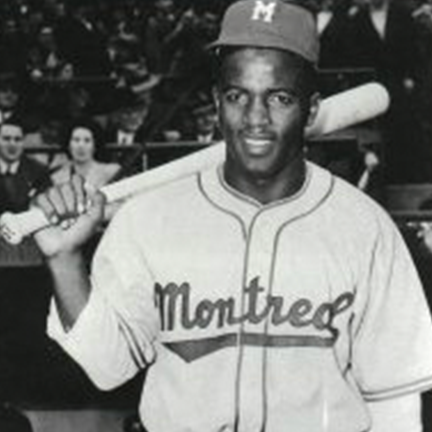
Jackie Robinson, born on January 31, 1919, in Cairo, Georgia, is widely celebrated as a pivotal figure in American sports and civil rights history. His significance transcends the baseball diamond as he became the first African American to play in Major League Baseball (MLB) during the modern era, breaking the sport’s long-standing racial barriers. Robinson’s debut with the Brooklyn Dodgers in 1947 transformed not only the game of baseball but also the social landscape of the United States, making his story particularly relevant today as discussions about race, equality, and representation continue.
Major Events in Robinson’s Career
Jackie Robinson’s journey to the major leagues was arduous and fraught with challenges. After serving in the U.S. Army during World War II, he began his professional baseball career with the Kansas City Monarchs in the Negro Leagues. His talent caught the eye of Brooklyn Dodgers executive Branch Rickey, who signed him to the Dodgers in 1945, a shocking move that would change baseball forever.
Robinson’s debut on April 15, 1947, was met with both hostility and support. He faced severe racism from fans, opposing players, and even some teammates. However, Robinson remained steadfast, earning National League Rookie of the Year honors that same year and quickly establishing himself as one of the league’s best players. Over the course of his ten-season career, he was a six-time All-Star and won the MVP award in 1949. His remarkable athleticism and resilience made him a symbol of the fight against racial inequality.
Legacy and Impact
The impact of Jackie Robinson extended well beyond his baseball accolades. He became an influential figure in the Civil Rights Movement, advocating for racial equality and using his platform to address social injustices. After retiring from baseball in 1956, Robinson continued to push for civil rights, becoming a prominent spokesperson for the NAACP and supporting various charitable organizations.
In recognition of his contributions, Major League Baseball honored Robinson by retiring his jersey number—42—across all teams in 1997, a tribute that solidified his place in history. Today, April 15 is celebrated annually as Jackie Robinson Day, where all players wear the number 42 to honor his legacy.
Conclusion
Jackie Robinson’s story is not just an inspiring tale of athletic prowess but a powerful narrative about courage, determination, and the quest for equality. His legacy continues to resonate, reminding us of the importance of fighting against prejudice and standing up for justice. As conversations about race relations remain critical in today’s society, Robinson’s influence serves as a beacon, encouraging new generations to pursue not only excellence in sports but also in the pursuit of social change.