How it unfolded
As of March 31, 2026, the geopolitical landscape surrounding Iran has reached a critical juncture. Just weeks prior, tensions escalated significantly when Iran closed the vital Strait of Hormuz to most international shipping, a move that has now lasted for 31 days. This strategic waterway is crucial for global oil transport, and its closure has sent shockwaves through international markets and diplomatic channels.
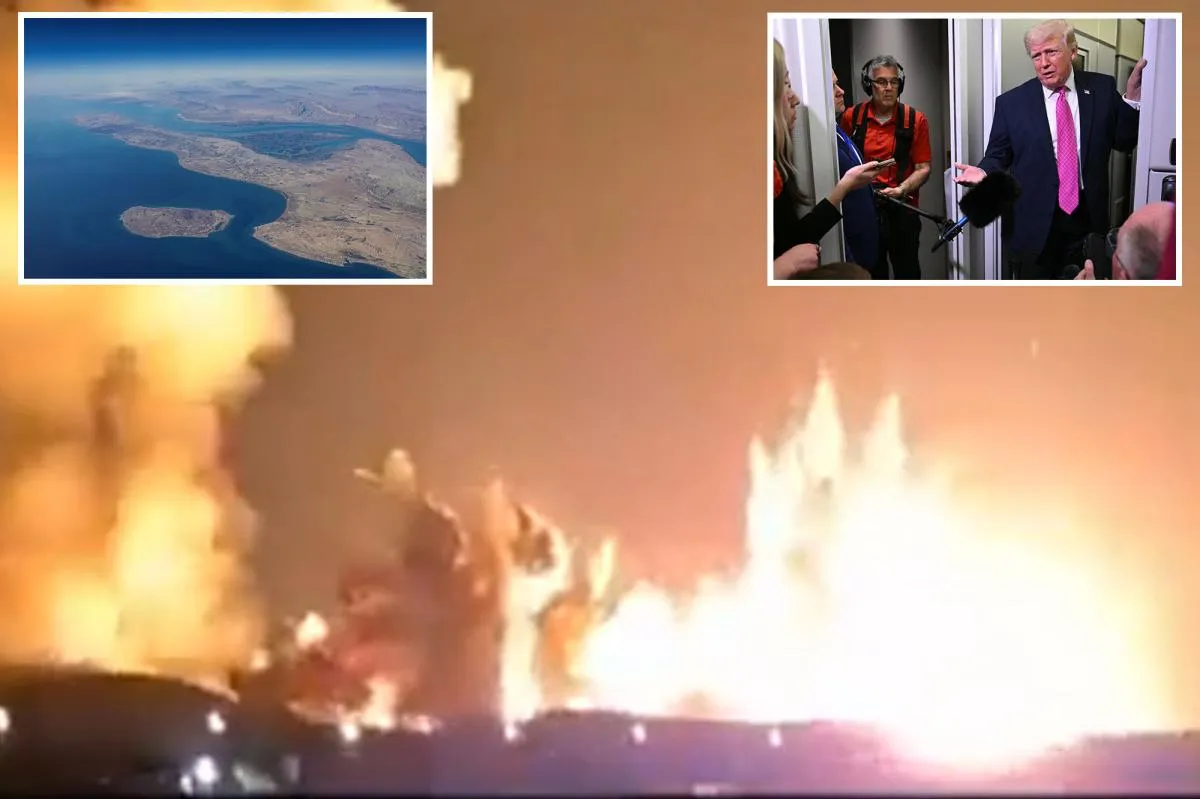
On March 15, U.S. President Donald Trump publicly stated his belief that the ongoing conflict with Iran might soon come to an end. However, he also issued a stark ultimatum: Iran must reopen the Strait by April 6 or face potential U.S. airstrikes. This deadline has intensified the urgency of the situation, with both sides bracing for possible escalation. Trump’s threats included the potential for widespread destruction of Iran’s energy resources, a move that could have catastrophic implications for the Iranian economy and regional stability.
The conflict has already resulted in significant casualties, with reports indicating that approximately 1,900 people have died in Iran, alongside 1,200 in Lebanon and 19 in Israel. These figures highlight the devastating human cost of the ongoing hostilities. Iran’s military response included a strike on a key water and electrical plant in Kuwait, further complicating the regional dynamics.
In the backdrop of these military actions, diplomatic communications have been fraught with tension. Iran’s Foreign Minister, Abbas Araghchi, clarified that their exchanges with the U.S. should not be viewed as negotiations but rather as an exchange of messages, either directly or through intermediaries in the region. This distinction underscores the fragile nature of dialogue between the two nations, as both sides grapple with their respective demands and conditions.
Iran has articulated its conditions for ending the war, which include guarantees against future attacks and reparations for damages incurred during the conflict. These demands reflect a deep-seated mistrust and the desire for assurances that could prevent further military confrontations. Noura Al Kaabi, a prominent figure in the region, emphasized the need for guarantees, stating, “We want a guarantee that this will never happen again.” This sentiment resonates with many in Iran, where the fear of future aggression looms large.
As the April 6 deadline approaches, the situation remains precarious. The U.S. has targeted military positions on Kharg Island, further escalating tensions. Meanwhile, the price of Brent crude oil has surged to $115, marking a 60% increase since the onset of the war. This spike in oil prices is a direct consequence of the conflict and the uncertainty surrounding the Strait of Hormuz, a crucial artery for global oil supply.
In a recent statement, Trump remarked, “We’re obliterating the s–t out of them right now,” reflecting the aggressive stance the U.S. has taken in this conflict. His administration’s approach has drawn criticism and concern from various international observers, who fear that the situation could spiral out of control.
As it stands, the Iran President faces immense pressure both domestically and internationally. The conflict’s trajectory will depend on the responses from both Tehran and Washington in the coming days. With the April 6 deadline looming, the stakes have never been higher, and the potential for escalation remains a significant concern for all parties involved. Details remain unconfirmed as the world watches closely, hoping for a resolution that can avert further tragedy.