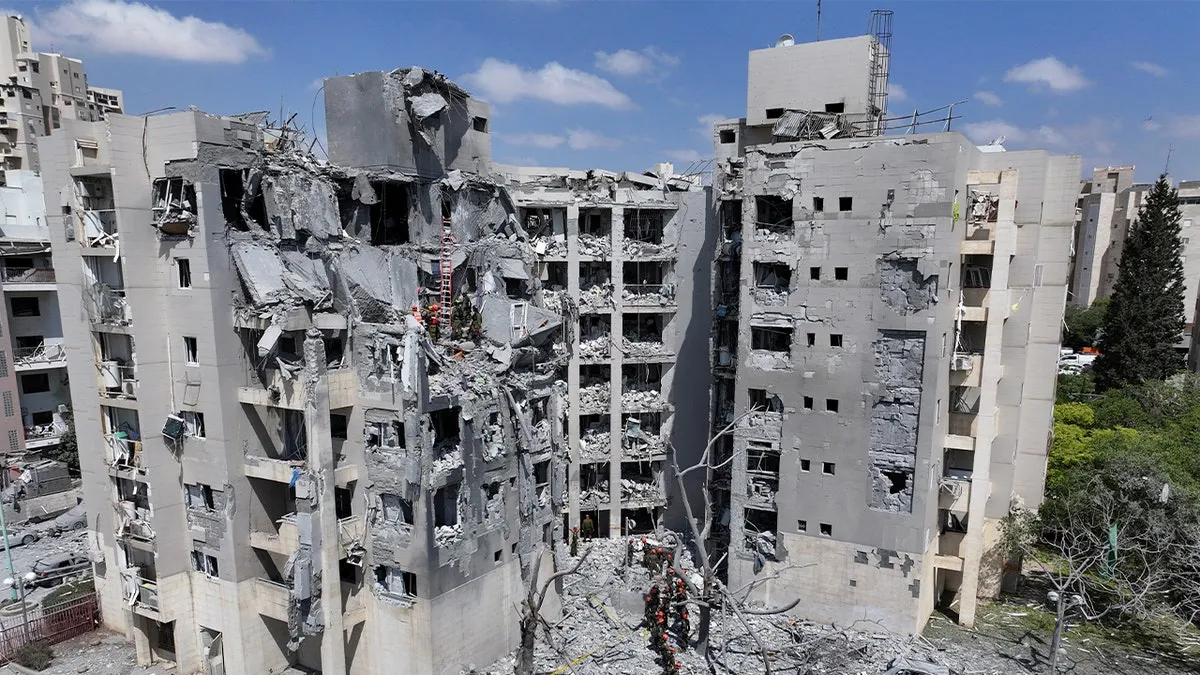
The Iran Israel war ceasefire remains elusive as Iran has decisively rejected a U.S. proposal aimed at pausing hostilities. This refusal has led to an escalation in military actions, including recent strikes on Israel and Gulf Arab nations, notably hitting a fuel tank at Kuwait International Airport. The stakes are high, with Iran’s Foreign Minister Abbas Araghchi publicly stating, “No negotiations have happened with the enemy until now, and we do not plan on any negotiations.” This statement underscores Iran’s firm stance against any diplomatic engagement at this juncture.
Iran’s own five-point ceasefire proposal demands a halt to the killing of its officials and reparations for the ongoing conflict. In stark contrast, the U.S. plan includes sanctions relief, a rollback of Iran’s nuclear program, and limits on missile capabilities, alongside the reopening of the critical Strait of Hormuz, through which 100% of the world’s oil is shipped. However, Iran’s distrust of the U.S. complicates these discussions, especially given the backdrop of previous U.S. military actions during high-level talks.
The human toll of the conflict has been severe, with Iran’s death toll exceeding 1,500, while Lebanon has seen approximately 1,100 casualties. In Israel, the conflict has resulted in 16 deaths, and 13 U.S. military members have also lost their lives. The war has displaced millions, exacerbating the humanitarian crisis in the region.
As the conflict continues, the economic ramifications are becoming increasingly evident. Iran’s attacks on regional energy infrastructure have caused a significant spike in oil prices, with Brent crude reaching as high as $120 per barrel last week, marking a 35% increase since the war began. This volatility in oil prices poses a threat not only to regional stability but also to global markets.
Despite Iran allowing a limited number of ships through the Strait of Hormuz, it has barred U.S. and Israeli vessels, further heightening tensions in this strategic waterway. An anonymous Iranian official remarked, “Iran will end the war when it decides to do so and when its own conditions are met,” indicating a firm resolve to dictate the terms of any potential ceasefire.
Details remain unconfirmed regarding who within Iran’s government holds the authority to negotiate or if there is any willingness to engage in talks. The exact conditions that Iran requires for a ceasefire remain undisclosed, leaving the international community in a state of uncertainty as the conflict rages on.