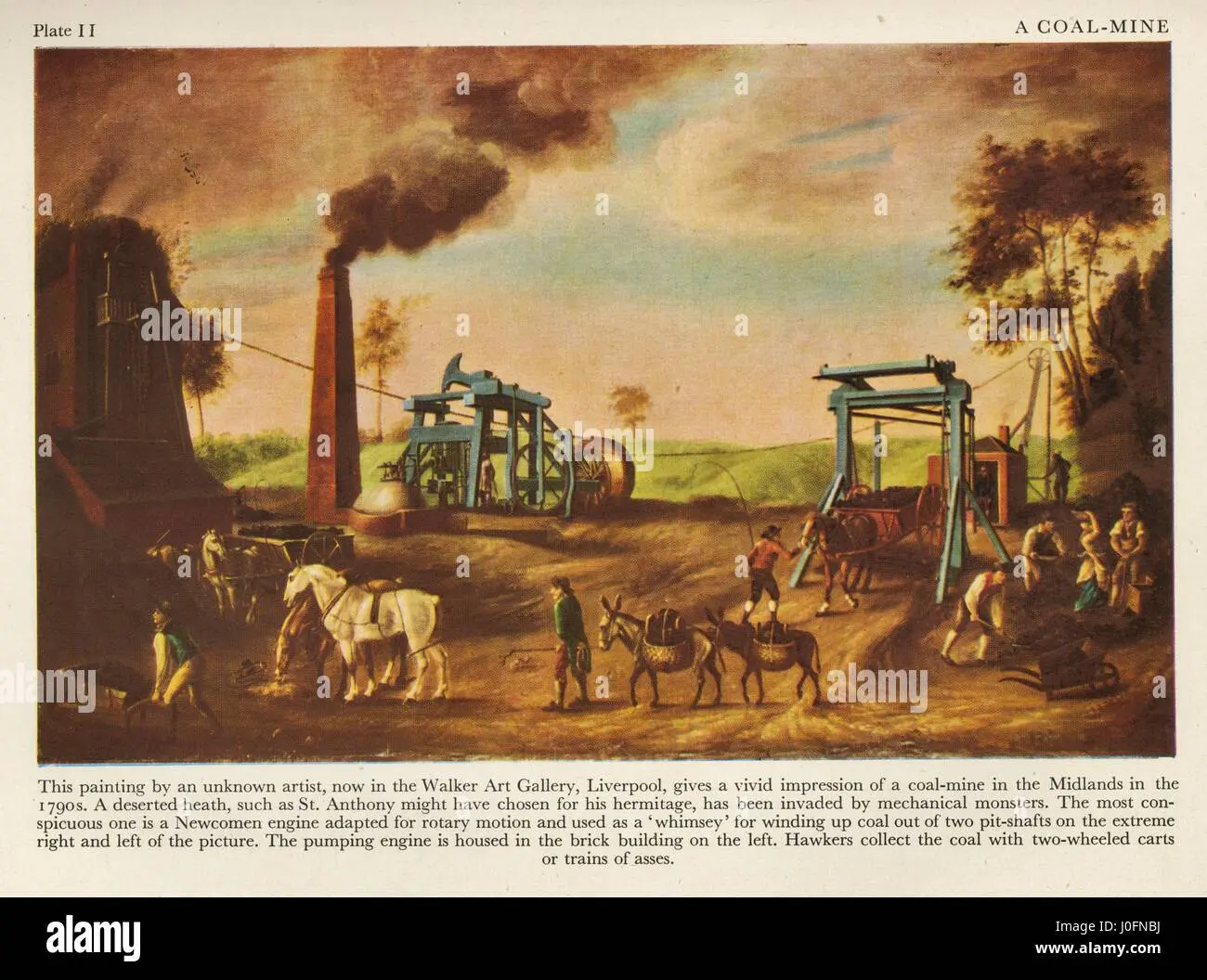
The Importance of Energy Innovations
Energy is a fundamental driver of economic growth and development. As global energy demands continue to rise, transitioning to sustainable energy sources is paramount. Not only does this minimize environmental impact, but it also contributes to energy security and economic stability. The latest innovations in energy technology are crucial for meeting these demands efficiently and sustainably.
Recent Developments in Energy Technology
This year, renewable energy technologies have seen significant advancements. According to the International Energy Agency (IEA), global renewable energy capacity increased by over 10% in 2022, with solar and wind energy leading the charge. Major countries, including the United States and China, are investing heavily in solar power technologies, which are more affordable and efficient than ever. New solar panel designs utilizing bifacial technology—able to capture sunlight on both sides—are being deployed at a rapid rate, increasing energy output significantly.
Additionally, energy storage solutions, such as battery technologies, have improved dramatically. The rise in lithium-ion batteries and ongoing research in solid-state batteries aim to address the energy storage issues that accompany renewable energy generation. Recent partnerships between tech companies and energy firms are expected to produce diverse, scalable storage solutions that will accommodate electricity generated from intermittent sources like wind and solar.
Government Actions and Policies
Governments across the world are recognizing the need for energy policy reform to better support sustainable practices. The United States has introduced various incentives aimed at encouraging the transition to renewable energies, such as tax breaks for solar panel installations and investments in electric vehicle infrastructure. The Inflation Reduction Act of 2022 aims to reduce emissions and increase clean energy production by offering grants and tax incentives that stimulate innovation.
Community and Global Impact
At a local level, communities are also embracing energy-efficient practices. Many municipalities are investing in smart grid technologies to better manage energy resources, which enhance reliability, efficiency, and resilience to power outages. Globally, international collaborations like the Paris Agreement encourage nations to work together in combatting climate change by committing to reducing greenhouse gas emissions and fostering clean energy developments.
Conclusion and Future Outlook
The energy landscape is evolving rapidly, marked by innovations that promise not only a reduction in our carbon footprint but also the stimulation of economic growth. As technologies mature and costs decline, renewable energy sources are becoming the cornerstone of the global energy market. With ongoing government support and community involvement, the future of energy looks bright, promising a sustainable and equitable energy transition.