Importance of the Senate Government Shutdown
The looming threat of a government shutdown in the United States Senate has significant implications for federal operations, affecting everything from national parks to federal employee salaries. As budget discussions stall, citizens and lawmakers alike are left grappling with the consequences, raising questions about government efficiency and public service delivery.
Current State of Affairs
As of late September 2023, the Senate is at a stalemate regarding appropriations bills critical for funding the government. Two significant issues are at the forefront: disagreements over spending cuts and immigration policy reforms. Legislative leaders from both parties have been engaged in discussions, but a lack of consensus has led to a heightened sense of urgency as the fiscal year nears its end on September 30.
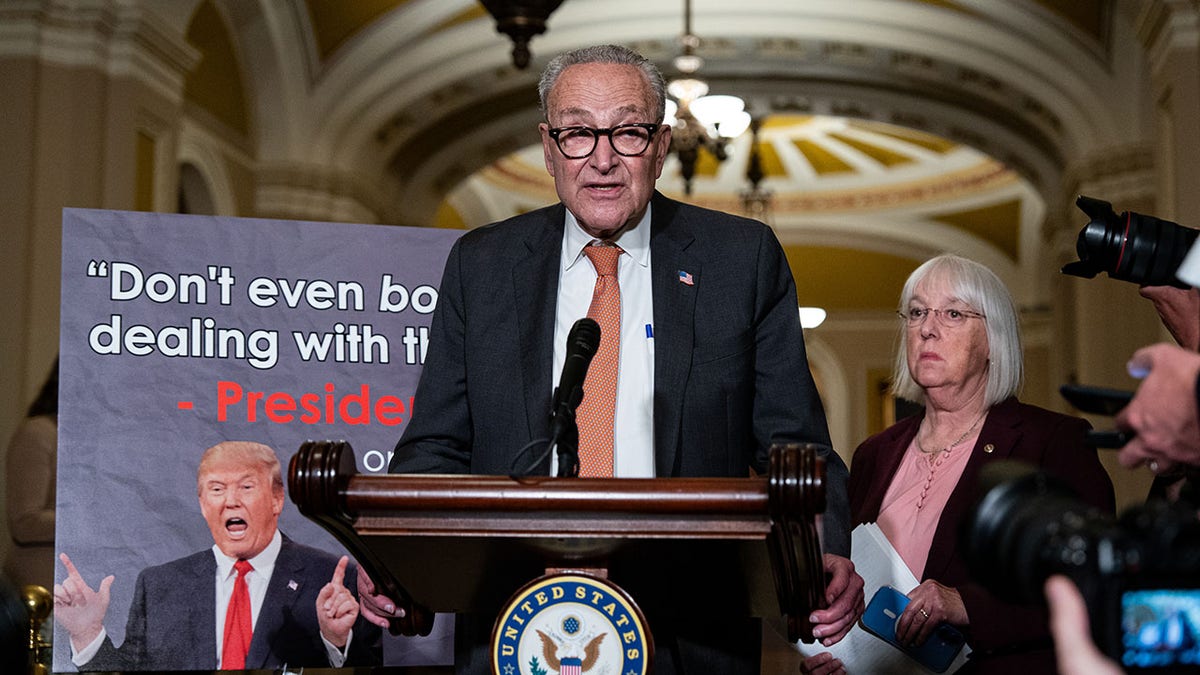
Amidst these negotiations, Senate Majority Leader Chuck Schumer expressed the need for bipartisanship to prevent disruptions in government services. “A government shutdown is not in the interest of our citizens. We owe it to them to find common ground and resolve our budgetary issues amicably,” Schumer stated recently.
Impact on Essential Services
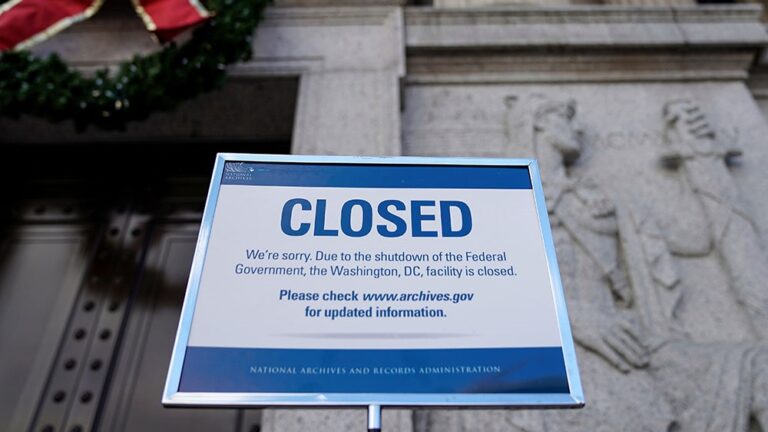
A government shutdown would mean that non-essential federal services would cease, affecting millions of Americans. National parks, museums, and other federal facilities would close, and many federal employees would be furloughed or required to work without pay. Essential services, including public safety and national defense, would continue, albeit under constrained conditions. The Department of Defense and Homeland Security have begun planning for possible interruptions, which could have long-term ramifications on operational readiness.
Historical Context
Historically, government shutdowns have been a recurring theme in American politics, often resulting from deep ideological divides. The last significant shutdown lasted for 35 days from December 2018 to January 2019, marking one of the longest in U.S. history. The consequences of shutdowns tend to ripple through the economy, impacting federal contractor payments and consumer confidence.
Conclusion and Forecast
As the September 30 deadline looms, it remains to be seen whether the Senate will come together to avert a shutdown. The stakes are high, and the ramifications extend beyond the political arena into everyday American lives. Stakeholders from various sectors are closely monitoring the situation, hoping for a resolution that protects public services and maintains governmental functionality. Analysts suggest that a bipartisan agreement is still possible, but will require significant compromise from both parties to address the pressing issues at hand.