Introduction
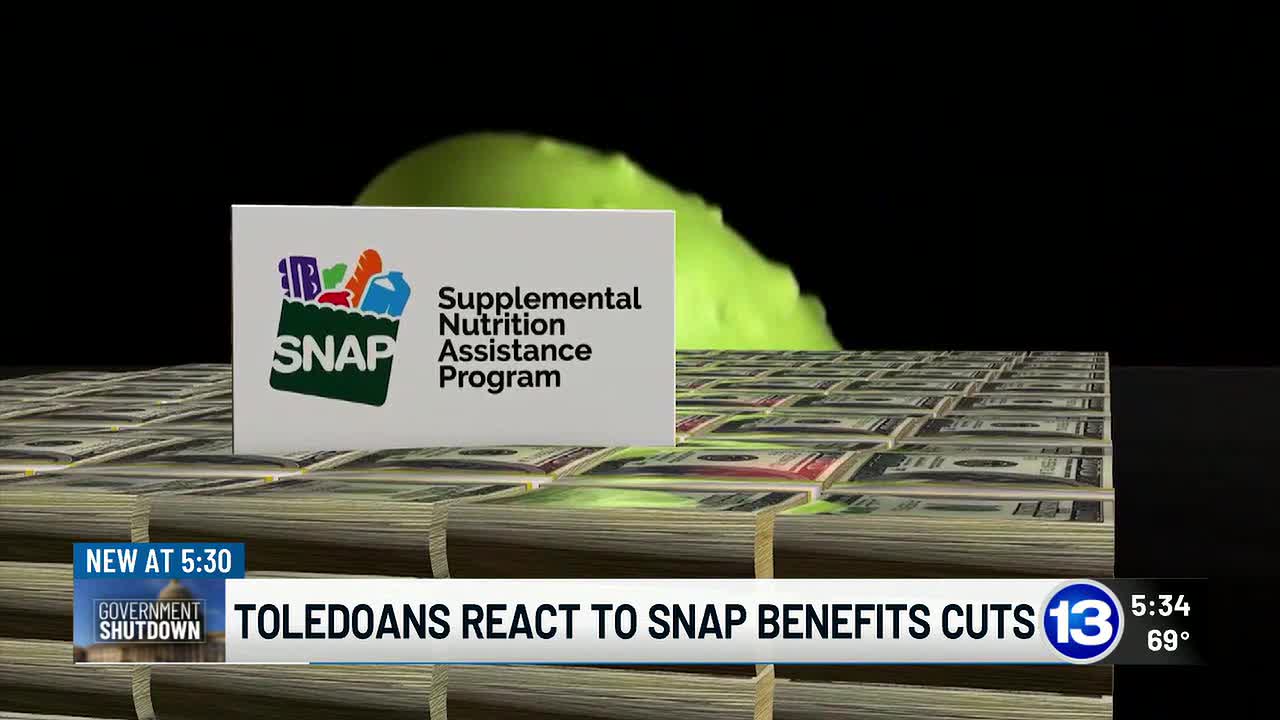
The potential for a government shutdown has become an increasingly relevant topic for millions of Americans who rely on the Supplemental Nutrition Assistance Program (SNAP) for food security. These benefits provide essential nutritional assistance to low-income families, and any disruption in funding can lead to significant hardships. Understanding how government shutdowns affect SNAP benefits is crucial for those reliant on these programs during times of economic uncertainty.
What Is SNAP?
SNAP, formerly known as food stamps, is a federal program overseen by the U.S. Department of Agriculture (USDA). It helps millions of individuals and families afford nutritious food. The program operates through monthly benefits, which are loaded onto electronic benefit transfer (EBT) cards for use at authorized retailers. With nearly 42 million Americans receiving SNAP benefits as of 2022, the program plays a vital role in maintaining the food security of many.
The Consequences of a Government Shutdown
When the federal government shuts down due to budgetary disagreements, it can directly impact funding for various programs, including SNAP. During previous shutdowns, SNAP benefits have faced delays and uncertainties. For example, in 2019, the government shutdown necessitated the USDA to issue February benefits early, leaving participants uncertain about the future month’s payments. Though the program is primarily federally funded and can operate for some time without Congressional approval, there are limits to how long benefits can continue in the absence of government funding.
Moreover, when unsure if their SNAP benefits will be available, many recipients may hoard resources, leading to increased panic buying at grocery stores, which can cause supply issues and further strain local food banks. The psychological impact on families that depend on SNAP can also have far-reaching adverse effects, particularly among children.
Current Situation and Forecast
As of October 2023, Congress is once again on the brink of a potential government shutdown due to budget negotiations. Lawmakers are discussing various spending bills, including those affecting social welfare programs like SNAP. Advocates worry that any lapse in SNAP funding could disrupt the lives of countless families already struggling with rising food prices and high inflation. Food pantries and assistance programs are preparing for greater demand should SNAP benefits falter, indicating that the effects of a government shutdown will reverberate well beyond the individuals directly receiving aid.
Conclusion
The implications of a government shutdown on SNAP benefits extend far beyond the bureaucratic intricacies of Congress. With millions depending on these benefits to feed their families, any disruption not only threatens individual household food security but can also strain broader community support systems. As the nation monitors ongoing budget discussions, the importance of stable funding for nutrition assistance programs like SNAP becomes increasingly critical. Observers remain hopeful that bipartisan solutions will safeguard federal assistance, ensuring millions can maintain access to vital food resources, even amid political tumult.