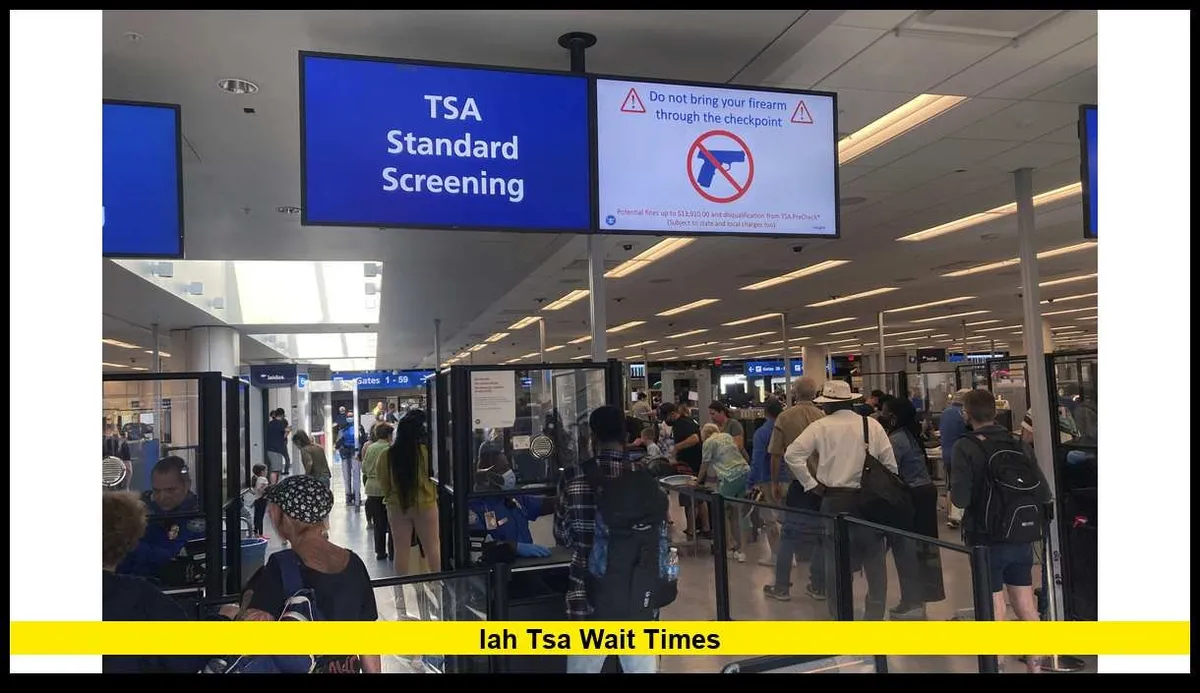
On March 24, 2026, travelers at Houston’s Bush Intercontinental Airport (IAH) found themselves in a frustrating predicament as wait times surged to between 3 to 4 hours. This alarming situation was primarily due to a drastic reduction in operational TSA checkpoints, which were cut from six to just two.
The backdrop of this crisis is a partial government shutdown that began on February 14, 2026, which has led to significant staffing shortages within the Transportation Security Administration (TSA). Reports indicate that over 40% of TSA staff at IAH called out, exacerbating the already strained security process.
Passengers reported that the TSA app provided inaccurate wait time estimates, leading to further confusion and frustration. Many travelers, like Whitney West, had budgeted over five hours to ensure they could clear security, only to find themselves in long lines. “I don’t know how else to get there,” she lamented, highlighting the desperation felt by many.
In stark contrast, Hobby Airport, another major airport in Houston, reported security checkpoint wait times of under 15 minutes on the same day, drawing attention to the operational challenges at IAH.
As the situation unfolded, some travelers missed their flights due to the long TSA wait times. Ariana Basulto shared her experience, stating, “I just missed my flight by two minutes,” a sentiment echoed by many others who faced similar fates. Duke Jones, another traveler, expressed frustration over the lack of support, noting, “Nobody covered our hotels.”
To mitigate the impact of the staffing crisis, ICE agents were deployed to assist TSA workers at IAH. However, the effectiveness of this measure remains uncertain as the long lines persist.
The ongoing government shutdown has raised concerns about the future of TSA operations, with Congress failing to renew funding for the Department of Homeland Security (DHS). As a result, the staffing issues at TSA are likely to continue, leaving travelers in a precarious position.
As of now, the situation at IAH remains critical, with passengers advised to arrive several hours early to navigate the lengthy security lines. The ripple effects of this crisis extend beyond mere inconvenience, affecting travel plans and overall passenger satisfaction.
This sequence of events underscores the importance of adequate staffing and operational readiness at airports, particularly during peak travel times. The challenges faced by travelers at IAH serve as a stark reminder of how external factors, such as government funding and staffing levels, can significantly impact the travel experience.