Introduction
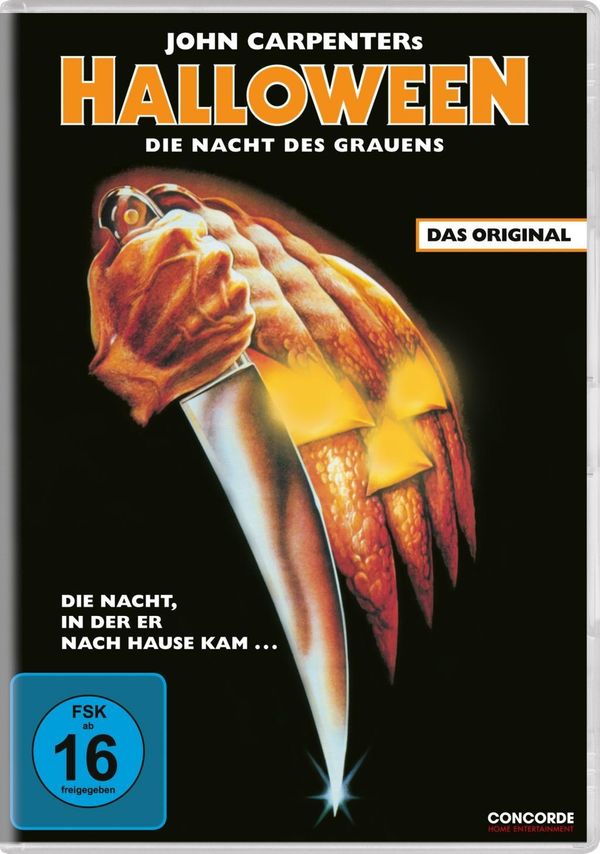
The year 1978 marked a pivotal moment in cinematic history with the release of ‘Halloween,’ a film that not only defined the slasher genre but also left an indelible impact on popular culture and the art of filmmaking. Directed by John Carpenter, ‘Halloween’ introduced audiences to the iconic character of Michael Myers and established a blueprint for horror films that would resonate for decades. Its relevance continues, particularly as the Halloween season approaches each year, reminding us of both the terror and thrill of the genre.
The Making of ‘Halloween’
‘Halloween’ was produced on a modest budget of just $300,000, an impressive feat considering its box office success, grossing more than $70 million in the United States alone. The film was shot in Pasadena, California, during the spring, providing an eerie yet relatable backdrop for the unfolding terror. Carpenter, who co-wrote the screenplay with Debra Hill, crafted a story that revolves around Laurie Strode, played by Jamie Lee Curtis, as she faces off against an escaped killer on the night of Halloween.
Innovative Techniques
What set ‘Halloween’ apart from previous horror films was its use of suspense and a minimal killer reveal, allowing viewers to feel a sense of dread that lingered long after the film ended. The innovative use of music, particularly the haunting score composed by Carpenter himself, added an additional layer to the atmosphere, making it one of the most memorable soundtracks in film history.
Cultural Impact
The impact of ‘Halloween’ transcended the screen, evoking a cultural phenomenon that spurred the creation of countless sequels and influence on filmmakers worldwide. This 1978 classic was foundational in defining the slasher genre and its tropes, such as the final girl, a concept that has become a mainstay in horror cinema. Major franchises like ‘Friday the 13th’ and ‘A Nightmare on Elm Street’ owe much of their success to the groundwork laid by ‘Halloween.’
Conclusion
As ‘Halloween’ celebrated its 45th anniversary this year, its legacy continues to resonate with new generations of horror enthusiasts. It remains a favorite during the Halloween season, screening in theaters and at festivals, as well as influencing an array of modern horror films. For viewers and filmmakers alike, ‘Halloween’ serves as a reminder of the power of a well-told story and the universal appeal of fear. As we revisit this classic, it’s clear that the phenomenon born in 1978 will endure, shaping the horror genre for years to come.