Introduction
The possibility of a government shutdown looms large as Congress prepares for a crucial Senate vote. Government shutdowns are significant events that can impact millions of Americans, affecting federal employees, national services, and the economy. Recently, the urgency has intensified as lawmakers grapple with budget negotiations and differing priorities. Understanding the dynamics and implications of a government shutdown is essential for citizens closely following the political landscape.
Current Events Leading to the Senate Vote
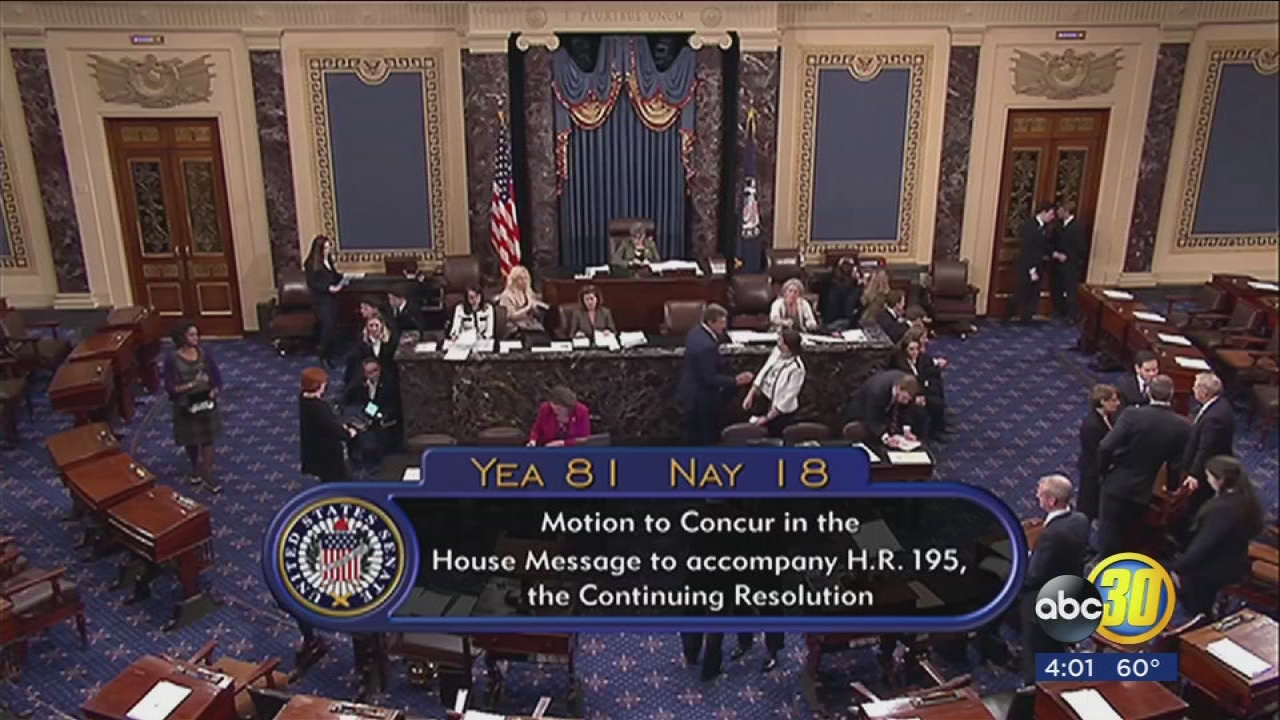
As of late September 2023, Congress is facing a tight deadline to fund the government before the new fiscal year begins on October 1. Senate leaders are pushing for a bipartisan solution, yet deep divisions remain between parties concerning budget allocations and spending priorities. The House of Representatives passed its own version of a funding bill, which included significant cuts that many Senate Democrats opposed.
In response to mounting pressure, Senate Minority Leader Mitch McConnell and Majority Leader Chuck Schumer began negotiations aimed at reconciling differences. There has been increasing talk of a short-term continuing resolution, which would temporarily fund government operations while negotiations continue on a more comprehensive budget plan. Such a measure would avert an immediate shutdown but may only postpone the inevitable budgetary confrontation.
Impacts of a Potential Shutdown
If the Senate fails to pass a funding bill and a shutdown occurs, it would have wide-ranging ramifications. Federal employees may face furloughs, national parks could close, and various government services could be interrupted. Historical data shows that past shutdowns have led to substantial economic losses, with estimates suggesting that each week of a shutdown can cost the economy billions of dollars. Beyond the immediate logistical challenges, public confidence in government efficiency and stability could also be adversely affected.
The Road Ahead
As the Senate prepares for the impending vote, lawmakers face the dual challenge of addressing immediate funding needs while working towards a long-term solution to government spending. Analysts predict that if a bipartisan agreement is not reached, the political fallout could be significant, impacting upcoming elections and the overall perception of party leadership. Citizens are urged to stay informed as the situation develops, as the implications of the Senate vote could resonate well beyond the floor of Congress.
Conclusion
In summary, the upcoming Senate vote on the government shutdown is a critical juncture for U.S. governance. The stakes are high, encompassing not only government functionality but also the economic stability and public confidence in elected officials. As we near the deadline, observers will be watching closely to see how political negotiations unfold and what compromises may be reached.