Introduction
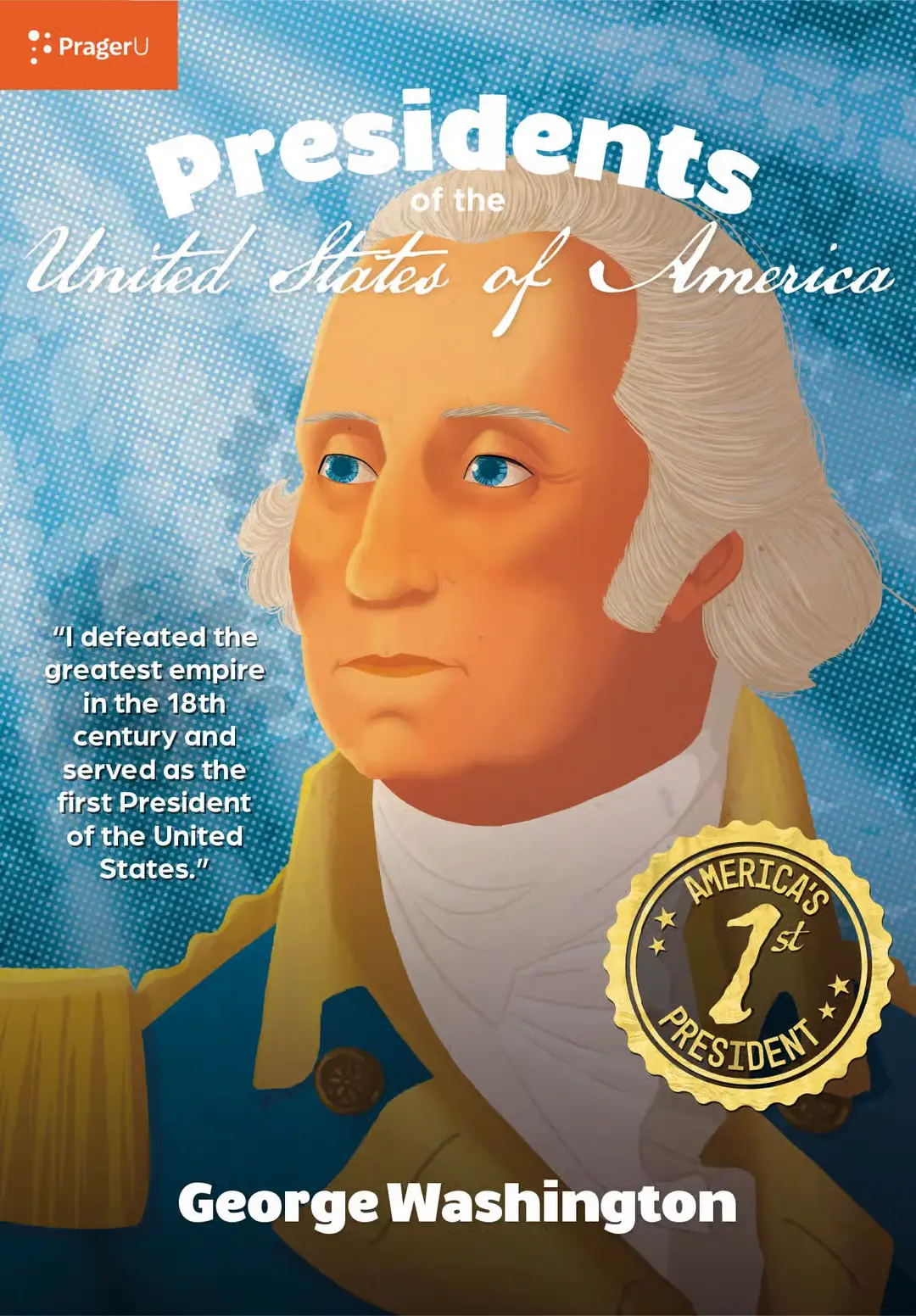
George Washington remains a central figure in American history, recognized as the country’s first president and a crucial leader during the Revolutionary War. His leadership not only shaped the foundation of the United States but also set precedents that would influence future leaders and the country’s development. Understanding Washington’s life and legacy is important for grasping the values and principles upon which America was built.
Early Life and Military Career
Born on February 22, 1732, in Westmoreland County, Virginia, Washington grew up in a plantation family. He began his military career in the Virginia militia during the French and Indian War, where he honed his leadership skills. By 1775, he was named the Commander-in-Chief of the Continental Army, taking on the immense challenge of leading colonies in revolt against British rule.
Leadership During the Revolutionary War
Washington’s strategic acumen was evident during the War of Independence. He faced numerous challenges, including inadequate supplies and training, but his resilience and ability to inspire troops were key to victory. The pivotal victory at the Battle of Yorktown in 1781 effectively ended the war, solidifying Washington’s reputation as a national hero.
Presidency and Legacy
In 1789, Washington was unanimously elected as the first President of the United States, serving two terms until 1797. He established important precedents, including the formation of a Cabinet and the practice of a peaceful transfer of power. Washington also warned against political parties and foreign alliances in his Farewell Address, advice that continues to resonate in contemporary discussions about American politics.
Conclusion
George Washington’s impact on the United States is profound and enduring. As a military leader, he fought for independence; as a president, he laid the groundwork for governance and democracy. Today, his legacy lives on, not just in the monuments and memorials that honor him but in the very fabric of American society. Understanding his contributions helps us appreciate the complexities of the nation’s history and the ideals that continue to guide the United States.