Introduction
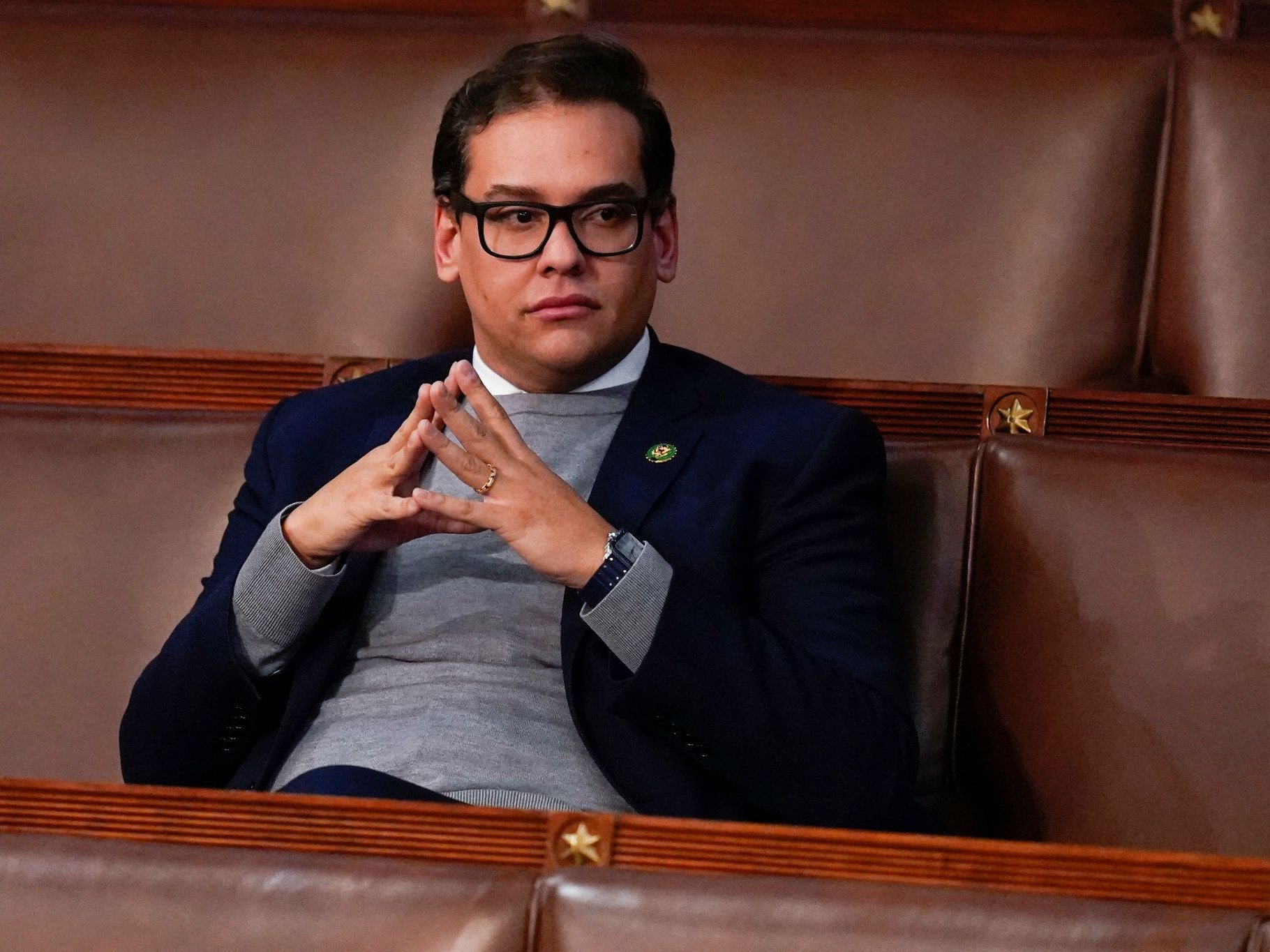
George Santos, the U.S. Congressman representing New York’s 3rd District, has become a figure of considerable controversy in American politics. His election in 2022 was met with excitement from constituents, primarily due to his claims regarding his business background and personal story. However, the subsequent revelations about inconsistencies in his biography have raised serious questions about integrity and accountability in public office.
Controversial Claims and Investigations
Santos’s political journey has been marred by allegations of misrepresentation. Reports surfaced that many of his asserted accomplishments, including claims of working at prestigious financial firms and attending elite universities, were fabricated. Investigative journalists began to unravel discrepancies in his professional background, prompting a bipartisan call for an investigation. In response to these allegations, Santos has admitted to some inaccuracies, stating he “embellished” his resume, but maintains that he is a dedicated public servant.
The scrutiny intensified with multiple ongoing investigations into his campaign financing and the sources of significant donations. Questions arose about how he accumulated wealth in a relatively brief period and whether or not he adhered to campaign finance laws. The House Ethics Committee is currently investigating these matters, which may lead to further consequences for Santos and could impact his future political aspirations.
Public Response and Political Implications
The reaction from constituents has been mixed. While some continue to support Santos, appreciating his commitment to local issues, others express outrage at the deception. Polling data indicates a decline in his favorability ratings, which might affect his chances for re-election in 2024. Challengers from both the Democratic and Republican parties have begun positioning themselves for a run, leveraging Santos’s controversies to galvanize support.
Conclusion
As the investigations unfold, George Santos’s political future hangs in the balance. His case has underscored broader issues related to transparency and accountability in politics, raising important questions about the standards to which elected officials should be held. Regardless of the outcome, Santos’s experience serves as a cautionary tale about the potential costs of misleading constituents. The political landscape in New York may shift dramatically in the next election cycle as voters grapple with the implications of integrity in representation.