Introduction
The Gatlinburg Bypass, a crucial route for tourists and locals alike, has recently been affected by a significant landslide that raised concerns about safety and infrastructure in the region. This incident not only disrupted travel but also highlighted the ongoing challenges faced by communities nestled in mountainous areas. With the impact on tourism and local businesses, understanding the details and implications of this landslide is increasingly important.
Details of the Landslide
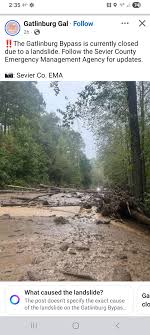
The landslide occurred late last week after heavy rainfall saturated the soil along the bypass, causing a section of the road to give way. Emergency services were quick to respond, assessing the situation and ensuring the safety of motorists. Fortunately, there were no reported injuries, but the incident resulted in immediate closures and detours that continue to affect travel to and from Gatlinburg.
According to the Tennessee Department of Transportation (TDOT), the affected area experienced significant damage, requiring extensive repairs. Engineers have been dispatched to evaluate the macro stability of the surrounding slopes and determine the best methods for securing the road. As of now, preliminary reports suggest that the landslide involved approximately 2,500 cubic yards of earth and materials.
Impact and Response
The closure of the Gatlinburg Bypass has led to increased traffic on alternate routes, causing delays and longer travel times. Local businesses are already feeling the pinch, as many rely on the influx of tourist traffic along the bypass. Local officials have urged residents and visitors to exercise patience as crews work diligently to assess and mend the damage.
In the meantime, the city of Gatlinburg has taken steps to inform the public through social media and press releases about the situation. Visitors and residents are encouraged to check the TDOT website for real-time updates on road conditions and closures.
Conclusion
The Gatlinburg Bypass landslide serves as a reminder of the natural hazards that can impact mountainous regions, particularly in areas with heavy rainfall. As recovery efforts continue, traffic is expected to remain affected for the coming weeks. Long-term strategies for slope stabilization and infrastructure resilience will likely be a priority for local authorities, given the environmental conditions and the community’s dependence on travel and tourism. Readers are encouraged to stay informed and consider alternate travel plans as conditions evolve in the coming days.