Introduction
The topic of minimum wage increases has garnered extensive attention in recent years, and Florida is no exception. With a growing economy and rising living costs, the state is on track to increase its minimum wage to $15 per hour by 2025. This change, initiated by a constitutional amendment approved by voters in November 2020, has significant implications for workers, businesses, and the overall economy.
The Details of the Minimum Wage Increase
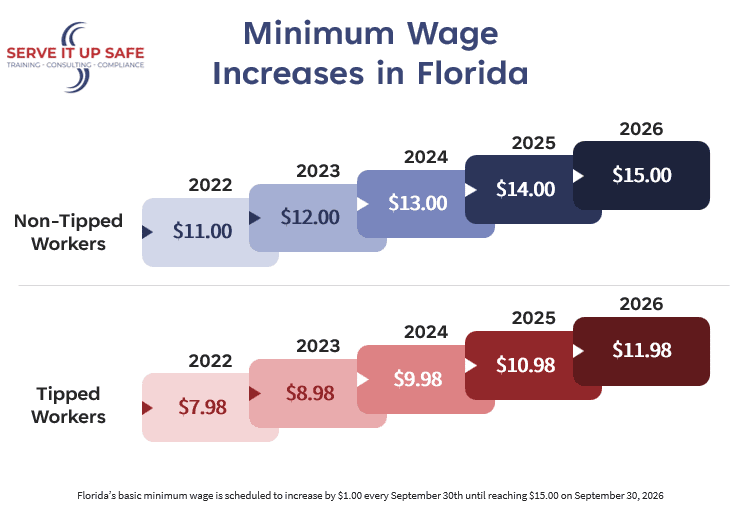
According to the amendment, Florida’s minimum wage will increase incrementally over the next few years: it will rise to $11 per hour in September 2022, with subsequent annual increases of $1 per hour until it reaches the final $15 per hour mark in September 2026. However, discussions surrounding the minimum wage are continually evolving due to economic factors and the impact of inflation.
The wage increase is expected to benefit roughly 1.7 million workers in Florida, particularly those in hospitality and service industries, which often pay minimum wage. Advocates argue that a higher minimum wage will lift many families out of poverty, enhance economic mobility, and stimulate consumer spending as workers have more disposable income to spend on necessities and services.
Responses from Businesses and Economists
While many workers welcome the wage hike, concerns have been raised from certain sectors of the business community. Some small business owners argue that the increase could lead to higher operating costs, potentially forcing them to reduce hours, lay off staff, or even close their businesses. Economists have mixed opinions; some believe that increased wages can drive productivity and reduce turnover, while others warn of potential adverse effects on employment rates.
Furthermore, the COVID-19 pandemic has left a lasting impact on the labor market, with many industries struggling to recover. This context may complicate the implementation of the minimum wage increase in 2025. Some local governments in Florida have already taken steps to raise the minimum wage above the state level, further fragmenting the wage landscape.
Conclusion
The Florida minimum wage increase scheduled for 2025 represents a significant social initiative aimed at enhancing the quality of life for many workers. As the state navigates this transition, the impacts on businesses, job creation, and the economic landscape will be closely monitored. In the coming years, as inflation, employment rates, and consumer spending evolve, the minimum wage debate will likely remain a vital topic among policymakers, business leaders, and constituents alike. The outcomes of this initiative could very well shape the future of the workforce in Florida for years to come.