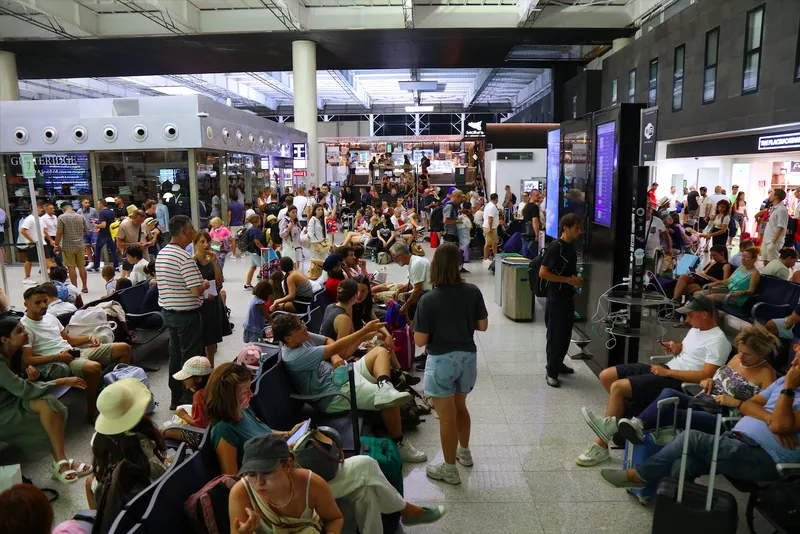
On April 6, 2026, European air travel faced significant disruptions, with 1,475 flights delayed and 172 flights cancelled across the continent. Major airports in Madrid, London, and Rome were among the hardest hit, leading to extended waiting times and missed connections for countless passengers.
Both low-cost carriers like Ryanair and full-service airlines such as KLM and Scandinavian Airlines (SAS) have been affected by these operational challenges. Passengers attempting to rebook their travel have reported limited availability, further complicating their travel plans.
The disruptions stem from air traffic management requirements that have restricted the number of flights able to operate on schedule. This situation underscores the sensitivity of tightly scheduled air travel systems to operational pressures, as delays in one part of the network can cascade and impact travel across the continent.
Airlines and airports are actively working to restore normal operations, but the situation remains fluid. Observers note that the accumulated delays have forced airlines to adjust their schedules at short notice, adding to the confusion and frustration experienced by travelers.
The impact of these disruptions is felt across both business and personal travel, highlighting the interconnected nature of European air travel. As passengers navigate the chaos, the precise cause of the disruption has not been formally confirmed, leaving many questions unanswered.
Details remain unconfirmed regarding the underlying issues that led to this widespread disruption, but the situation continues to evolve as airlines strive to mitigate the impact on their operations.