Introduction
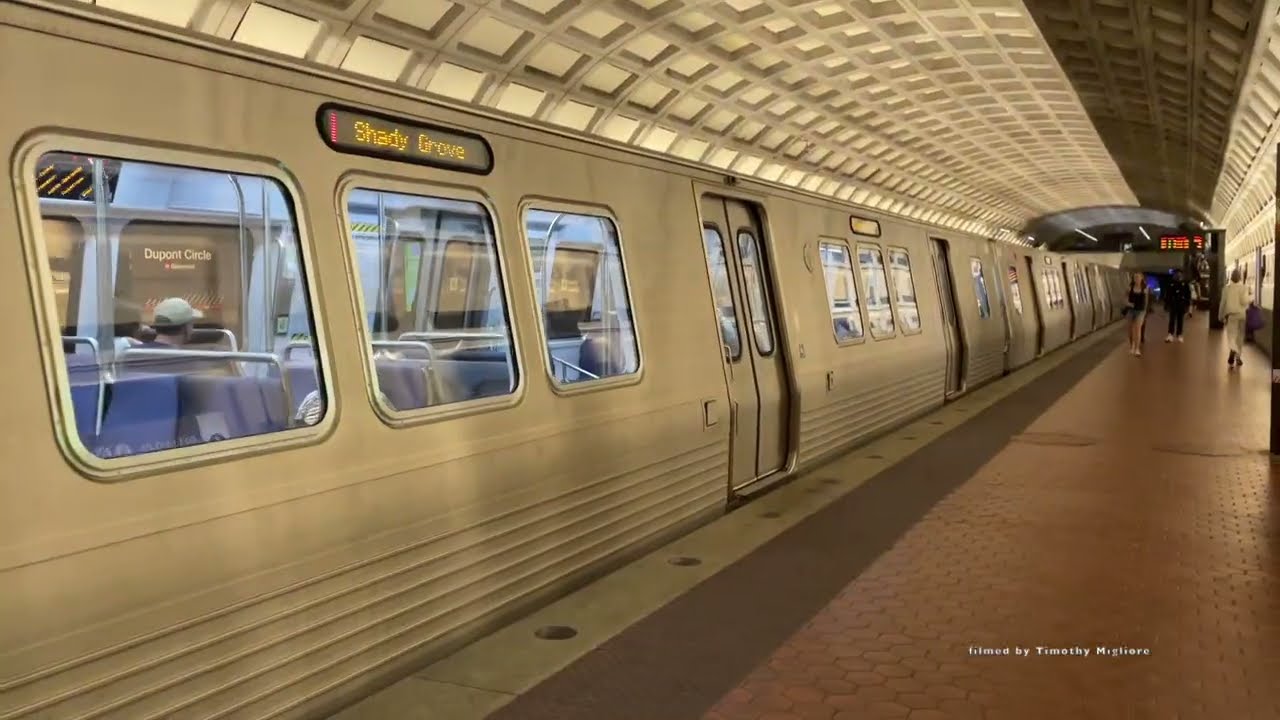
The Washington Metropolitan Area Transit Authority (WMATA) plays a crucial role in the daily transportation of millions of residents and visitors in the Washington D.C. metropolitan area. Founded in 1967, WMATA operates the Metrorail and Metrobus systems, providing vital services that help reduce traffic congestion and promote public safety. In light of recent challenges, including the ongoing recovery from the COVID-19 pandemic, understanding the current state and future of WMATA is essential for commuters and policymakers alike.
Recent Developments at WMATA
In recent months, WMATA has focused on enhancing service reliability and the safety of its passengers. With the lingering effects of the pandemic still influencing travel patterns, WMATA has seen a gradual increase in ridership following significant declines during the height of COVID-19. As of September 2023, ridership across Metrorail and Metrobus has rebounded to about 70% of pre-pandemic levels, with evening and weekend services seeing the most notable growth.
To accommodate this increase in demand, WMATA has initiated several service improvements aimed at reducing waiting times and increasing train frequency. Notably, during peak hours, Metrorail trains now run every 6 minutes on the most traveled lines. Furthermore, WMATA has recently launched a campaign to enhance rider comfort and security, which includes improved lighting, reinstatement of police presence, and operational updates to ensure a safer environment.
Investments in Infrastructure
A significant part of WMATA’s strategy includes ongoing investments in infrastructure upgrades. The $1.5 billion capital budget for fiscal year 2023 will address crucial repairs and expansions, enhancing operational efficiency. Noteworthy projects include the complete overhaul of older rail cars, and upgrades to the signaling systems, which are expected to facilitate more reliable and punctual services. Furthermore, WMATA has also earmarked funds for expanding bus rapid transit (BRT) lines, which are designed to provide fast and efficient alternatives for urban travelers.
Conclusion
As WMATA continues to evolve, its significance in the Washington D.C. area remains indisputable. With strategic investments and a renewed focus on safety and service reliability, WMATA is setting the stage for a public transit renaissance in the region. For commuters, these changes not only promise improved travel experiences but also support wider goals such as environmental sustainability and urban mobility. As the transit authority emerges from the shadows of the pandemic, it is essential for riders to stay informed about updates and participate in feedback opportunities to shape the future of public transportation in D.C.