Introduction: The Significance of Jonathan Haidt
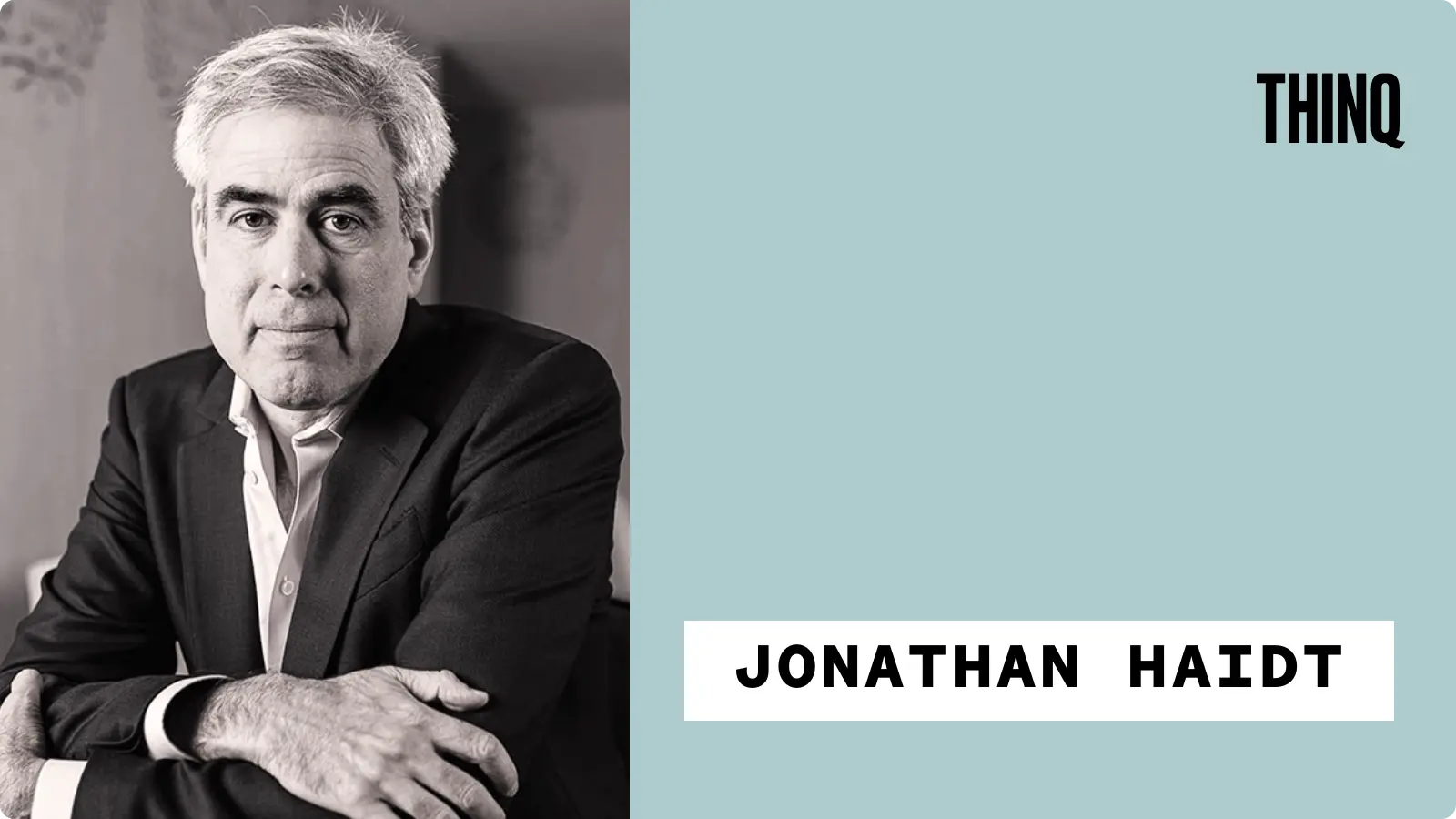
Jonathan Haidt is a renowned social psychologist whose work has significantly influenced the understanding of culture, morality, and human behavior. His insights have never been more relevant than in today’s polarized world, where discussions surrounding social issues, political identities, and ethical standards are increasingly contentious. Haidt’s scholarship offers valuable perspectives on how individuals can find common ground amidst differences, making his work crucial for educators, policymakers, and the general public.
Contributions to Psychology and Society
Haidt is best known for his books, including The Righteous Mind: Why Good People are Divided by Politics and Religion and The Coddling of the American Mind, co-authored with Greg Lukianoff. In The Righteous Mind, he explores the moral foundations that underpin our political divisions, arguing that understanding these foundations is essential for bridging ideological gaps. His framework identifies six moral dimensions—care, fairness, loyalty, authority, sanctity, and liberty—that shape our beliefs and actions, illustrating why people on opposite sides of the political spectrum often view the world so differently.
In The Coddling of the American Mind, Haidt and Lukianoff address the growing concerns about mental health among college students and the implications of protective parenting styles. They advocate for resilience and the importance of facing challenges rather than shielding young adults from discomfort. Their analysis has sparked considerable debate about free speech on campuses and the need for open dialogue.
Recent Developments and Public Engagements
Recently, Haidt has been vocal about the implications of social media on public discourse. He suggests that platforms like Facebook and Twitter have exacerbated social divisions and contributed to a decline in constructive communication. He emphasizes the necessity of creating environments where people can engage in meaningful conversations without fear of backlash. Haidt has participated in various forums and discussions, advocating for civil discourse and encouraging individuals to engage with opposing viewpoints respectfully.
Conclusion: The Future of Haidt’s Impact
As society grapples with increasing polarization, Jonathan Haidt’s work remains a beacon for understanding and navigating cultural conflicts. His research encourages introspection and dialogue, which are imperative for constructive interactions in diverse communities. As more people engage with his theories, it is likely that the call for empathy and mutual understanding will resonate, shaping future discourse in a more inclusive manner. Haidt’s ongoing contributions could play a crucial role in building a more cohesive society, challenging us all to examine our moral frameworks and find paths to commonality.