Introduction
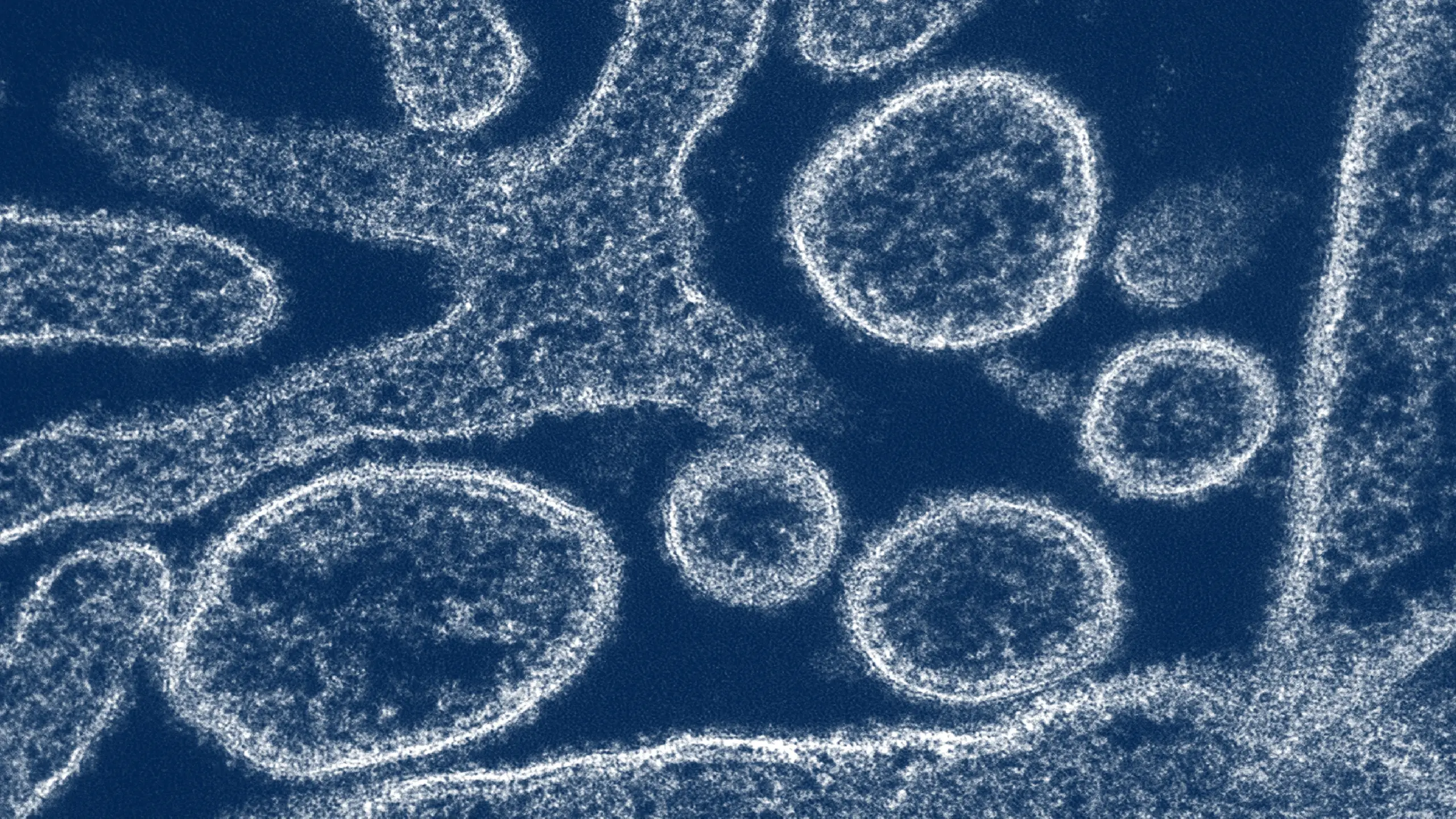
The Nipah virus (NiV) is a zoonotic virus that has emerged as a serious public health threat. Its significance has grown due to past outbreaks and its potential to cause severe illness and mortality in both humans and animals. With cases reported in Southeast Asia and parts of India, understanding the dynamics of Nipah virus transmission, symptoms, and preventive measures is critical for health authorities and communities at large.
Recent Outbreaks and Response
The World Health Organization (WHO) and global health communities are on high alert following recent outbreaks of the Nipah virus in Kerala, India. In September 2023, health authorities confirmed a handful of cases, prompting immediate responses including community outreach and contact tracing. Nipah virus, transmitted through fruit bats, can spread from animal to human and between humans, causing acute respiratory illness and encephalitis. The illness has a high fatality rate, with some outbreaks recorded as high as 75% mortality.
Symptoms and Treatment
Symptoms typically appear between 4 to 14 days after exposure and include fever, headache, dizziness, and respiratory issues. In severe cases, it can lead to inflammation of the brain (encephalitis) and could be fatal. Currently, there are no specific treatments for Nipah virus infection, and management is primarily supportive care. This emphasizes the importance of early detection and isolation of suspected cases.
Prevention Strategies
Preventive strategies are crucial in controlling the Nipah virus. Key measures include public awareness campaigns, surveillance of zoonotic diseases, and veterinary management to prevent spillover from bats to livestock and humans. Additionally, encouraging people to avoid direct contact with sick animals and promoting safe handling of fruits that attract bats are essential. Vaccination efforts are also in research phases for both animals and potential human use.
Conclusion
As the threat of Nipah virus continues to pose a significant risk, collaboration between governments, health organizations, and the public is necessary to mitigate its effects. Increased surveillance, swift disease response, and education on preventive measures will be vital in reducing the spread and impact of future outbreaks. With ongoing research into vaccines and treatments, there is hope for better management of this deadly virus in the future. The Nipah virus serves as a reminder of the interconnectedness of human, animal, and environmental health, underscoring the need for One Health approaches to disease prevention.