Introduction
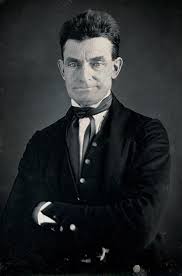
The legacy of John Brown, an ardent abolitionist, remains a pivotal part of American history. His actions leading up to the Civil War had profound implications not only for the anti-slavery movement but also for the nation’s moral landscape. Understanding Brown’s life and motivations offers insight into the societal tensions of 19th-century America, relevant to discussions on race and justice today.
Early Life and Abolitionist Activities
Born on May 9, 1800, in Torrington, Connecticut, John Brown grew up in a deeply religious family that opposed slavery. His early experiences with racial injustice fueled his lifelong commitment to abolitionism. In the 1850s, he moved to Kansas, where he became involved in the violent conflicts known as “Bleeding Kansas,” which pitted pro-slavery and anti-slavery forces against each other. His radical approach, including the use of violence, set him apart from many of his contemporaries.
Harper’s Ferry Raid
Brown is perhaps best known for his raid on the federal armory at Harper’s Ferry, Virginia, in October 1859. Brown aimed to seize weapons and instigate a slave uprising across the South. Although the raid failed and Brown was captured, it galvanized the abolitionist movement and deepened the national divide over slavery. His trial drew significant attention as he articulated his anti-slavery beliefs, positioning himself as a martyr for the cause.
Impact and Legacy
Following his execution on December 2, 1859, John Brown’s image transformed into that of a heroic figure for many abolitionists. His efforts highlighted the moral urgency of the abolitionist cause and inspired a generation of activists. The phrase, “John Brown’s body lies a-mouldering in the grave,” became emblematic of a new phase in the struggle for civil rights.
Conclusion
Todays’ discussions around racial justice and equality often draw parallels to figures like John Brown, whose radical actions challenged the status quo. His life encourages contemporary society to reflect on the lengths to which individuals might go to fight for justice. Adopting a historical perspective on Brown can enhance understanding of modern issues surrounding race and equality, making it clear that the roots of these struggles run deep in American history.