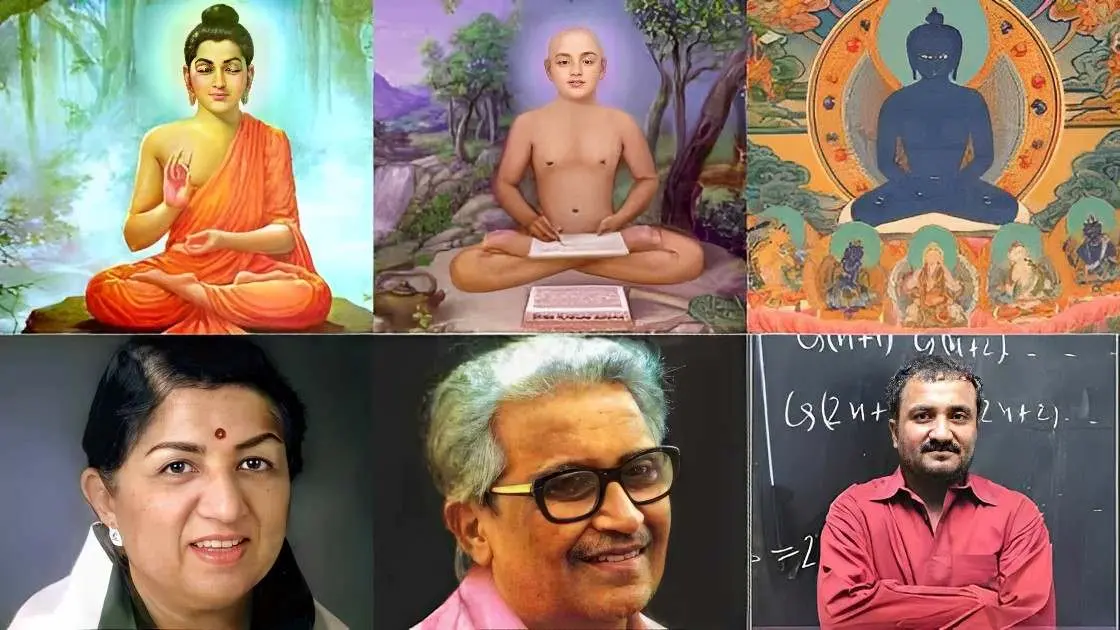
The Jain Community: An Overview
Jains are members of a religious community originating in India that emphasizes non-violence, truth, and asceticism. With an estimated population of around 4-5 million globally, they constitute a significant minority in India, primarily concentrated in states such as Gujarat, Rajasthan, and Maharashtra. The beliefs of Jainism are centered around the principles of ahimsa (non-violence), aparigraha (non-attachment), and the pursuit of spiritual liberation.
Core Beliefs and Practices
One of the most distinctive features of Jainism is its rigorous adherence to ahimsa, which extends beyond mere non-violence towards thoughts, words, and actions against all living beings. Jains often follow strict vegetarian diets, and many refrain from consuming root vegetables to prevent harming organisms in the soil.
Another essential aspect of Jain philosophy is the concept of karma, where every action is believed to have consequences for the soul’s journey towards liberation (moksha). To achieve moksha, Jains engage in intense spiritual practices that include meditation, fasting, and self-discipline.
Cultural Contributions
The Jain community has made significant contributions to Indian culture, art, and commerce. Historically, Jains were known as successful merchants and bankers, and their commitment to ethical business practices has earned them respect in the commerce sector. Architecturally, Jains are known for their exquisite temples adorned with intricate carvings, with notable examples being the Dilwara Temples in Rajasthan.
Recent Developments and Impact
In recent years, the Jain community has increasingly focused on social issues, promoting education, environmental conservation, and non-violence. The Jain International Trade Organisation (JITO) has expanded its reach, fostering entrepreneurship among Jains and contributing to economic development. Moreover, Jains have also been influential in the nonprofit sector, supporting causes related to healthcare and education.
Conclusion
As Jains continue to navigate the complexities of modern society, their commitment to non-violence and spiritual well-being remains paramount. With a growing presence in global dialogues around sustainability and ethical living, the Jain community not only preserves its rich heritage but also influences contemporary discussions on humanitarian issues. Their emphasis on respect for all life and environmental preservation will be significant as more individuals globally seek to align their lifestyles with these values.