Introduction
Tucson, Arizona, is a city rich in history, culture, and natural beauty. As the second-largest city in Arizona, Tucson has increasingly become a focal point for tourism, education, and innovation. Its unique blend of outdoor activities, rich heritage, and culinary offerings have made it an attractive destination for new residents and visitors alike.
The Growth of Tucson
In recent years, Tucson has experienced a significant uptick in population and economic development. According to the U.S. Census Bureau, the city’s population grew by 1.3% in 2022, reaching approximately 548,073 residents. This growth is attributed to several factors, including the area’s affordable cost of living and its appeal to retirees and families seeking a slower pace of life.
The local economy has also benefited from the development of industries such as technology, defense, and tourism. Major employers like Raytheon Missile Systems and the University of Arizona contribute to the city’s economic landscape, fostering opportunities for innovation and growth.
Cultural Significance
Tucson’s culture is deeply influenced by its rich Native American, Mexican, and Spanish heritage. The city hosts numerous annual events that celebrate this diversity, including the Tucson Gem and Mineral Show, one of the largest of its kind in the world. Additionally, Tucson was designated a UNESCO City of Gastronomy in 2015, highlighting its vibrant food scene that features local and traditional dishes made from indigenous ingredients.
The city is also home to a variety of museums, art galleries, and theaters, which display both local and international art and performances. Notable institutions include the Arizona-Sonora Desert Museum, which blends nature and culture, underscoring the importance of the desert environment in shaping the city’s identity.
Natural Attractions
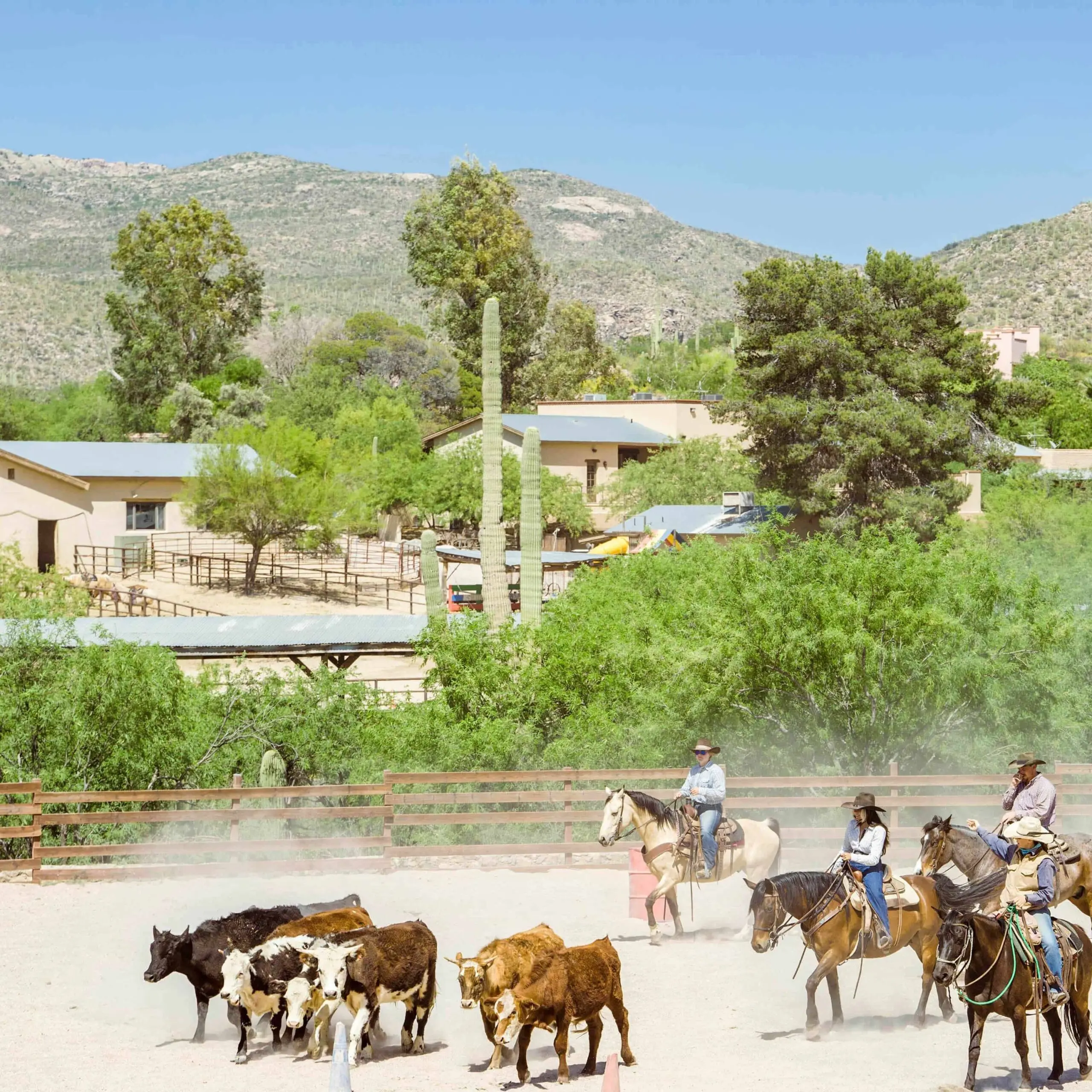
One of the standout aspects of Tucson is its stunning natural surroundings. Located in the Sonoran Desert, the city is adjacent to several mountain ranges, including the Santa Catalina Mountains and the Tucson Mountains, providing ample opportunities for hiking, biking, and wildlife viewing. Popular destinations include Sabino Canyon and Saguaro National Park, both renowned for their breathtaking landscapes and diverse ecosystems.
Conclusion
In conclusion, Tucson, Arizona, stands out as a city that blends a rich cultural heritage with modern growth and opportunity. Its vibrant community, coupled with its stunning natural attractions, makes it an appealing place to live and visit. As the city continues to grow, it will undoubtedly maintain its unique character while embracing the changes that come with a thriving economy and diverse population. Tucson represents a unique intersection of history and modernity, a characteristic that will continue to draw individuals looking for both adventure and community.