Introduction to Kilauea Volcano
Kilauea, one of the most active volcanoes in the world, is located on the Big Island of Hawaii. Its eruptions have drawn attention not just for their geological significance but also for their impact on local communities, tourism, and the natural environment. This volcanic activity is monitored closely by geologists and researchers due to its potential effects on air quality, wildlife habitats, and the economy.
Recent Eruptions
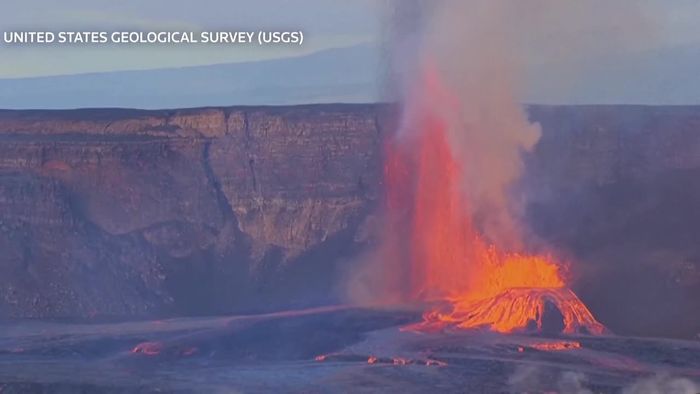
In recent weeks, Kilauea has experienced significant volcanic activity, with eruptions beginning on September 10, 2023, after a period of relative quiet. The Hawaii Volcano Observatory (HVO) reported that lava was visible flowing into Halemaʻumaʻu Crater, a prominent feature within Kilauea’s summit caldera. The bright orange glow from the summit at night has not only made headlines but has also caught the attention of tourists and photographers from across the globe.
As of October 2023, the lava flow has created new landscapes in the crater, with the lava lake rising steadily. Geologists have noted that these eruptions are typical for Kilauea, which has a history of producing frequent, non-explosive lava flows.
Environmental and Community Impact
While such eruptions are fascinating, they also raise concerns regarding air quality and safety. The volcanic gases released, particularly sulfur dioxide, can pose health risks to nearby residents, prompting the HVO to issue air quality warnings as necessary. Furthermore, the potential for increased seismic activity during eruptions necessitates ongoing monitoring. Local communities are encouraged to stay informed about evacuation plans and safety protocols in case the situation worsens.
Tourism, a major economic driver for Hawaii, is also impacted by these eruptions. While some tourists are deterred by threats to safety, others are drawn to the spectacle of active volcanoes, leading to mixed reactions in the tourism sector. Parks and tour companies that emphasize volcanic experiences tend to benefit, as they offer guided tours to safely view the volcanic activity.
Conclusion
The ongoing eruptions of Kilauea serve as a reminder of the dynamic nature of our planet. As scientists closely study this volcano, both the local community and tourists must adapt to the realities of living near one of the most active volcanoes worldwide. Continued monitoring and research will be essential to understanding Kilauea’s behavior and mitigating its impacts, ensuring both safety and respect for this powerful natural phenomenon.