Introduction to DTMF Technology
Dual-Tone Multi-Frequency (DTMF) signaling plays a critical role in the telecommunications industry. Commonly known as touch-tone dialing, DTMF is essential for modern communication systems, enabling users to interact with a wide variety of services by transmitting tonal signals. This technology is not just prevalent in traditional landlines but also in mobile phones and various digital communication systems, making it highly relevant in today’s digital age.
The Mechanics of DTMF
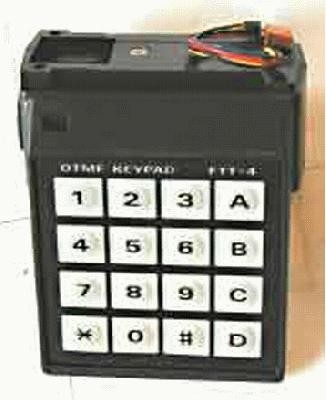
DTMF works by transmitting a pair of tones at specific frequencies when a key on a telephone keypad is pressed. Each key generates a unique combination of two tones: one from a low-frequency group and another from a high-frequency group. This unique arrangement allows for efficient signal transmission, and it can discern which button was pressed accurately. DTMF was originally developed in the 1960s, but its impact has only grown significant with the proliferation of digital communication technologies.
DTMF in Modern Applications
In today’s landscape, DTMF technology is integral to various applications beyond traditional phone systems. It is widely utilized in automated systems such as Interactive Voice Response (IVR) systems, allowing users to navigate through options by pressing keys. Banks, customer service lines, and various businesses rely on DTMF for secure transactions and customer engagement. Furthermore, with the rise of VoIP (Voice over Internet Protocol), DTMF tones have adapted to work seamlessly over digital networks, showcasing its resilience and adaptability.
Challenges and Future of DTMF
Despite its advantages, DTMF faces several challenges, particularly concerning security. There have been instances where DTMF signals have been intercepted during transmission, which raises concerns about sensitive information being compromised. Efforts to enhance the security of DTMF transmissions are ongoing, with initiatives aimed at encrypting the signals to protect user data. Looking ahead, as telecommunications technology evolves, DTMF will likely undergo advancements that may include integration with more sophisticated digital security measures and possibly alternatives like SIP (Session Initiation Protocol).
Conclusion
DTMF remains a fundamental component of telecommunication technology, influencing how we interact with digital systems. Its easy-to-use interface paved the way for enhanced user experiences across various sectors. As technology progresses, it is essential for users and businesses alike to stay informed about DTMF’s capabilities and security measures. Understanding DTMF’s role not only enhances our communication experiences but also prepares us for the future of telecommunications.