Introduction
Crater Lake National Park, located in southern Oregon, is renowned for its stunning deep blue water and unique geological features. Established in 1902, it is the fifth oldest national park in the United States and holds significant ecological and geological importance. The lake, formed by a collapsed volcano, attracts visitors from all over the world for its breathtaking scenery and recreational opportunities. Understanding its significance is essential for appreciating the natural beauty and environmental importance of this iconic site.
Geological Background
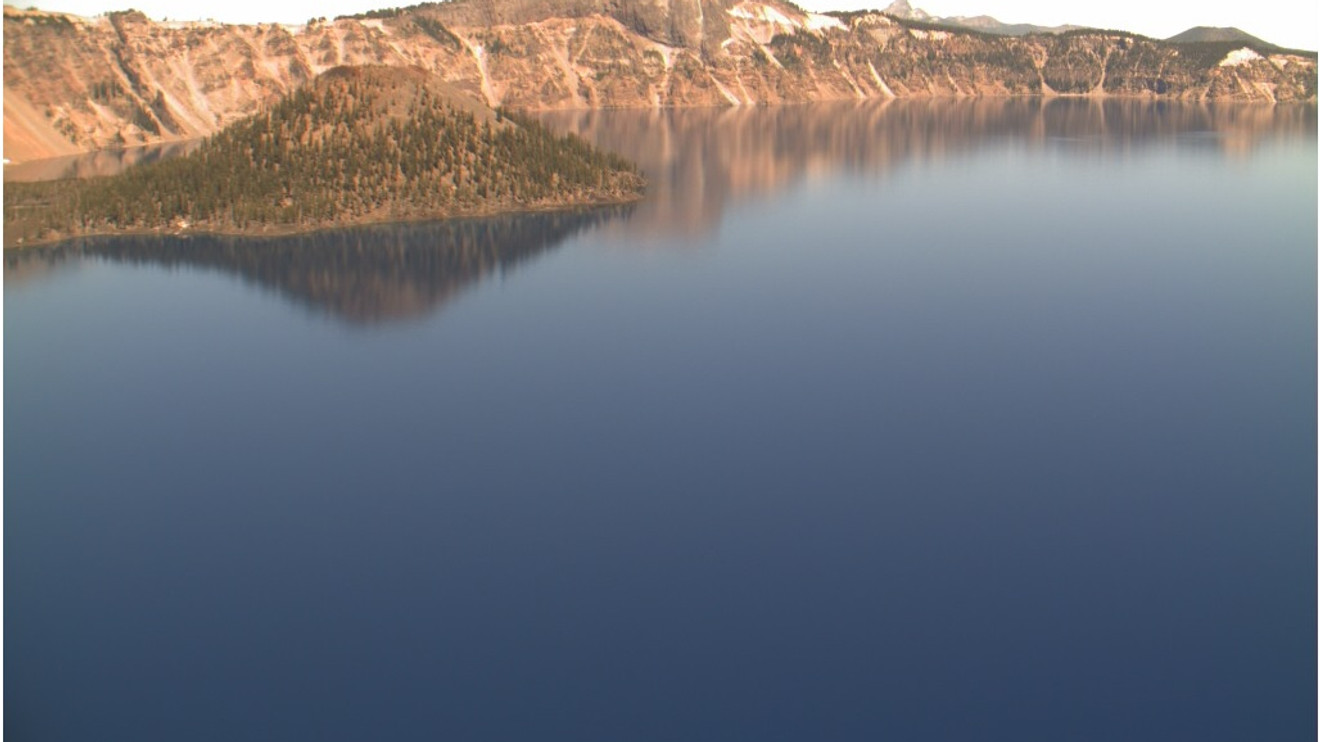
Crater Lake was formed approximately 7,700 years ago, following the eruption and subsequent collapse of Mount Mazama. The caldera that formed is now home to the deepest lake in the United States, reaching depths of 1,943 feet. The lake’s clarity and deep blue color are the result of low nutrient levels and a unique geological history. It is surrounded by steep cliffs and a variety of volcanic features, making it a hotspot for geological research and study.
Recreational Activities
Crater Lake National Park offers a plethora of recreational activities year-round. During the summer months, visitors can enjoy hiking, biking, and scenic drives around the Rim Drive, which offers spectacular views of the lake and surrounding landscapes. The park is also famous for the Wizard Island, a volcanic cinder cone that provides opportunities for hiking and exploring the lake’s unique formation.
In the winter, snow transforms the park into a winter wonderland, offering skiing and snowshoeing for adventure enthusiasts. The park is accessible for cross-country skiing and winter hiking, providing a completely different perspective on the lake’s beauty during colder months.
Conservation Efforts
As a national park, Crater Lake is a protected area, and conservation efforts are ongoing to preserve its unique ecosystem. The National Park Service works to monitor water quality, control invasive species, and protect the habitat of various wildlife species, including black bears, elk, and numerous bird species. Furthermore, educational programs and guided tours are provided to inform visitors about the park’s environmental significance and the importance of conservation.
Conclusion
Crater Lake National Park is more than just a beautiful destination; it is a critical ecological and geological site. Its formation story and unique features attract scientists and nature lovers alike. As climate change poses new threats to natural landscapes, parks like Crater Lake remind us of the need for conservation efforts. By understanding and appreciating this natural wonder, visitors can contribute to its preservation for future generations. Whether you are hiking the trails, taking in the views, or simply enjoying the tranquility of the lake, Crater Lake offers an experience that is both enriching and memorable.