Introduction to World Cup 2026
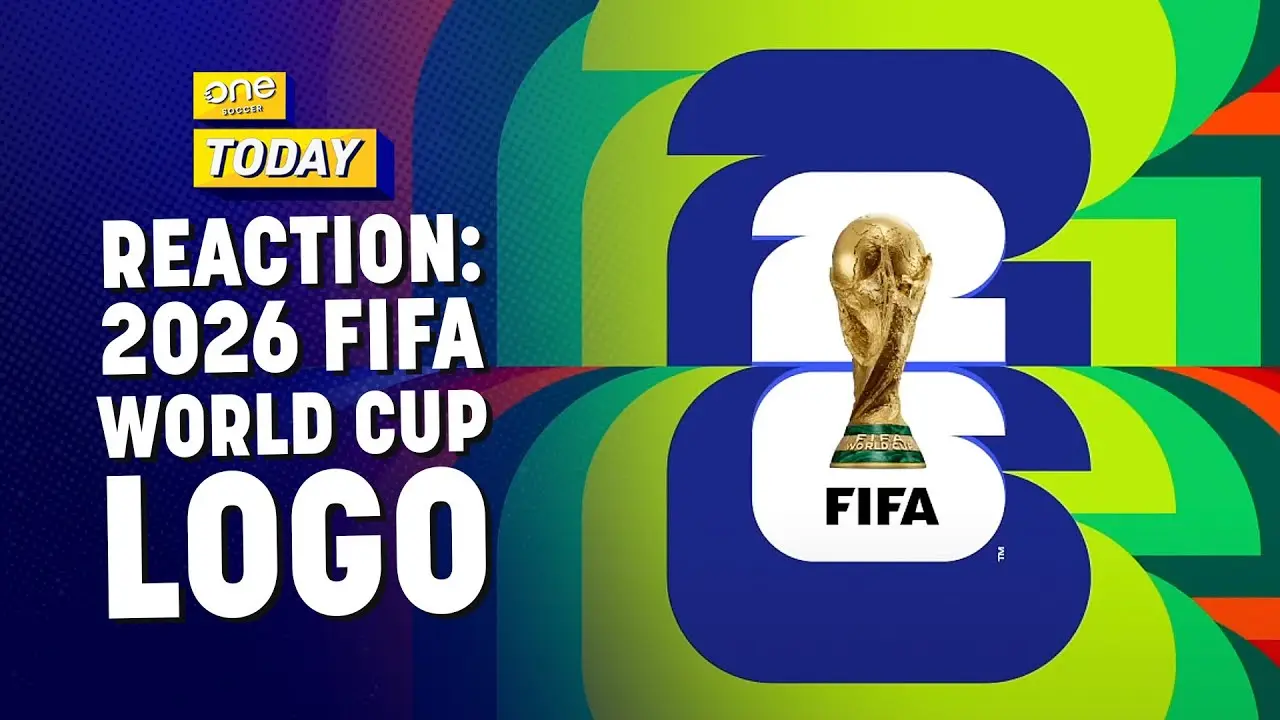
The FIFA World Cup 2026 is poised to be one of the largest sporting events in history, marking a significant milestone as it will be co-hosted by three nations: the United States, Canada, and Mexico. This will be the first time the tournament will feature an expanded format with 48 teams competing, up from the previous 32. The anticipation surrounding this event reflects not only the legacy of football but also the growing popularity of soccer in North America.
Details and Events Leading to the Tournament
Set to take place from June to July 2026, the World Cup will be held across several iconic cities in all three host countries. Major cities including Los Angeles, New York, Toronto, and Mexico City will provide world-class venues for fans to experience the excitement of live football.
The decision to expand the tournament format aims to provide more opportunities for countries to participate, potentially leading to a more diverse representation on the global stage. As a result, additional teams from Asia, Africa, and North America will have the chance to qualify.
Preparations for the World Cup 2026 are already underway, with infrastructure improvements and stadium renovations planned in all host cities. For instance, cities like Philadelphia and Atlanta are investing in updated facilities to meet FIFA’s stringent requirements for hosting International matches.
Significance and Expectations for Fans
The World Cup 2026 is expected to generate significant economic benefits for the host countries. It’s projected that the tournament could bring in billions in revenue from tourism and hospitality sectors. This influx will not only enhance local economies but also promote a better understanding of different cultures through the lens of sport.
Moreover, with the collaboration of these three nations, this World Cup will serve as a unifying event, highlighting international cooperation despite political and social differences. Fans can look forward to a celebration that transcends borders, bringing together diverse communities, cultures, and traditions.
Conclusion and Future Outlook
As we approach the year of the World Cup 2026, excitement continues to build among teams, fans, and sponsors alike. Viewing parties, merchandise, and promotional activities will not only mark the countdown to the event but also foster a deeper appreciation for soccer.
The tournament promises to enhance the sport’s popularity in North America and will likely serve as a catalyst for the future of soccer in the region. Ensuring accessibility and fan engagement will be pivotal in delivering a World Cup that lives up to its monumental expectations.