Introduction
As winter approaches, staying informed about winter weather alerts becomes increasingly important for safety and preparation. These alerts warn individuals about various winter conditions, including blizzards, ice storms, and extreme cold, which can significantly affect daily life and travel. Understanding these notifications can help people make informed decisions, ensuring their safety and readiness.
The Types of Winter Weather Alerts
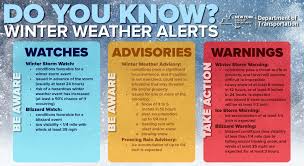
The National Weather Service issues several types of winter weather alerts, each with specific implications:
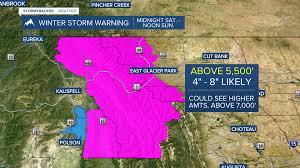
- Winter Storm Warning: This alert indicates severe winter weather conditions are imminent, including heavy snowfall and wind.
- Winter Weather Advisory: An advisory is issued when expected winter weather may cause hazardous conditions but not enough to warrant a warning.
- Blizzard Warning: This denotes sustained winds of 35 miles per hour or more combined with significant snowfall, leading to limited visibility and extreme cold.
- Ice Storm Warning: When ice accumulates to dangerous levels, this warning is issued, presenting a risk to transportation and power infrastructure.
Recent Winter Weather Alerts
This winter season has already seen a variety of alerts across the United States. For instance, in the Midwest, a recent winter storm brought heavy snow to states like Minnesota and Wisconsin, prompting winter storm warnings. In areas where ice accumulation was forecasted, ice storm warnings were issued, leading to widespread power outages and dangerous travel conditions.
The Northeast also faced challenges with a series of winter weather advisories, as rapid changes in temperature produced icy conditions on roadways. Meteorologists have emphasized the importance of heeding these alerts as they can evolve quickly, especially in regions susceptible to swift weather changes.
Conclusion
Winter weather alerts play a crucial role in promoting safety during the colder months. As temperatures drop and conditions worsen, individuals must stay updated on alerts issued by local weather services. By understanding the types of warnings and advisories, residents can better prepare for the winter months ahead. Monitoring reliable sources such as the National Weather Service, local news, and weather apps can ensure individuals are equipped with the right information to stay safe during winter weather events.