Introduction
Ethereum has emerged as one of the most influential platforms in the blockchain ecosystem, redefining the way we think about decentralized applications and financial systems.
Launched in 2015 by Vitalik Buterin and a team of developers, Ethereum is more than just a cryptocurrency; it is an open-source platform that enables developers to build and deploy smart contracts and decentralized applications (DApps). As blockchain technology finds its place in various sectors, the relevance of Ethereum in promoting innovation, efficiency, and transparency grows significantly.
The Mechanics of Ethereum
At the core of Ethereum is its unique feature: the Ethereum Virtual Machine (EVM). The EVM processes smart contracts, which are self-executing contracts with the terms of the agreement directly written into code. This technological foundation allows for trustless transactions and interactions, reducing the need for intermediaries.
Ethereum’s native currency, Ether (ETH), is not only used to facilitate transactions but also serves as a means of compensating participants who perform computations and validate transactions on the network. As of October 2023, Ethereum stands as the second-largest cryptocurrency by market capitalization, highlighting its significant impact in the digital currency landscape.
Recent Developments and Trends
The recent upgrade known as Ethereum 2.0 has transitioned the network from a Proof of Work (PoW) consensus mechanism to a more energy-efficient Proof of Stake (PoS) model. This change aims to improve scalability while reducing energy consumption—addressing one of the harshest criticisms of blockchain technology.
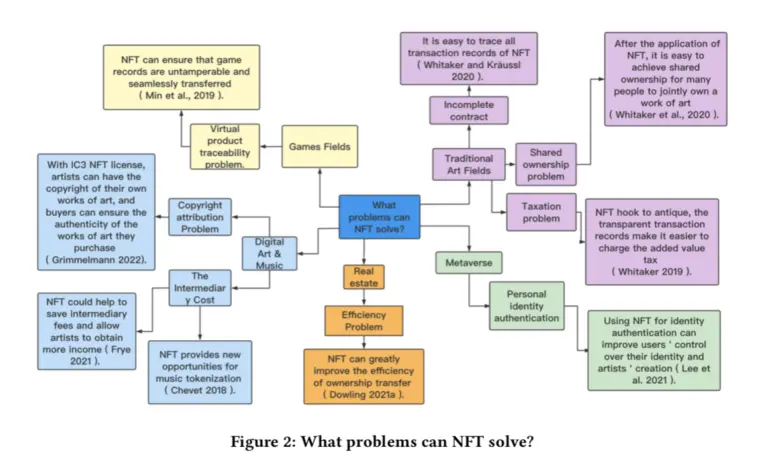
Additionally, Ethereum’s role in decentralized finance (DeFi) and non-fungible tokens (NFTs) continues to expand. With platforms like Uniswap, Aave, and OpenSea running on the Ethereum blockchain, the possibilities for innovation within finance and the art world are limitless.
Conclusion
As Ethereum continues to evolve, it is positioned to remain at the forefront of blockchain innovation. The platform’s ability to adapt and improve, along with significant developments such as Ethereum 2.0, demonstrates its potential to reshape existing systems and create new opportunities across various industries. Observers and participants in the tech landscape should keep an eye on Ethereum, as its advancements may pave the way for tomorrow’s digital economy, impacting everything from finance to art and beyond.