What observers say
“¡Nunca dejaremos atrás a un combatiente estadounidense!” declared President Donald Trump, emphasizing the unwavering commitment of the United States to its servicemen and women. This statement came in the wake of a dramatic rescue operation that unfolded in Iran, where two U.S. aviators were successfully extracted after their aircraft were shot down amidst escalating tensions in the region.
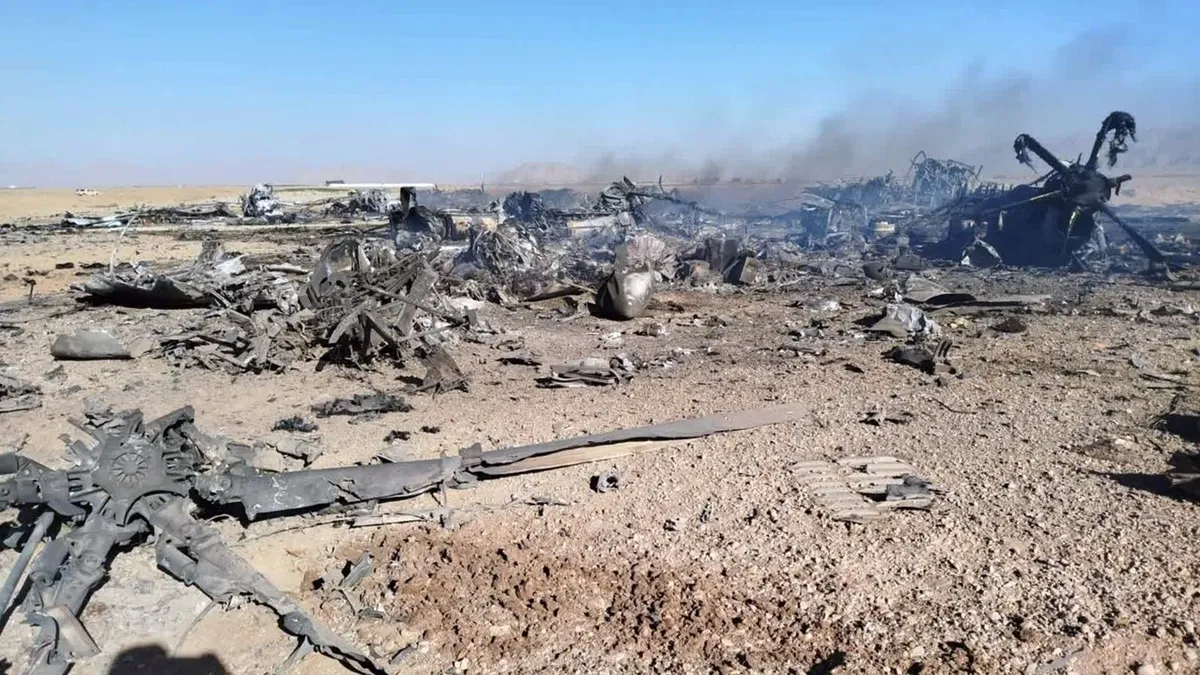
The operation, which took place on April 6, 2026, was marked by a complex campaign of deception orchestrated by the CIA to mislead the Iranian government. The first pilot was rescued after enduring seven grueling hours of daylight operations, while the second pilot was found hiding in a precarious mountain crevice at an altitude of 2,133 meters (7,000 feet). This operation not only showcased the tactical prowess of U.S. forces but also highlighted the risks involved, including attacks on U.S. helicopters and technical failures of transport aircraft.
Prior to this rescue, the backdrop of U.S.-Iran relations had been fraught with tension, particularly following the death of Supreme Leader Ali Khamenei in February 2026, which had led to increased military posturing from both sides. Trump characterized the rescue as a historic event, noting that it was the first time two U.S. pilots had been rescued separately in enemy territory, a claim that underscores the operation’s significance in military history.
As the situation unfolded, Iranian state media reported that at least three individuals were killed in airstrikes in the vicinity where the U.S. pilot was believed to be located. This escalation of violence was compounded by the downing of a second U.S. military aircraft, an A-10, on the same day as the F-15E Strike Eagle incident, further complicating the operational landscape.
In a stark warning to Iran, Trump stated, “There are 48 hours left before hell breaks loose on them,” referencing the urgent need for the reopening of the Strait of Hormuz, a critical maritime passage. This ultimatum came in the context of Iran’s leaked counter-offer for a truce regarding its nuclear program, which proposed a 45-day timeline for negotiations. The U.S. military operation was framed as a moral triumph for Washington, reinforcing the narrative of American resolve in the face of aggression.
In a related development, federal agents arrested Qassem Soleimani’s niece and grandniece in Miami, revoking their residence permits, which indicates a broader strategy by the U.S. to exert pressure on Iranian leadership and their affiliates abroad. The intertwining of military operations and diplomatic maneuvers reflects the complexity of U.S.-Iran relations, where each action reverberates through both military and civilian spheres.
As the dust settles from this high-stakes operation, the implications for U.S. foreign policy and military strategy remain to be seen. Observers are keenly watching for any further developments, particularly in light of Trump’s proposed budget cuts to non-military discretionary spending, which included a 10% reduction, contrasted with a proposed 40% increase in defense spending amounting to $1.5 trillion. These financial decisions will undoubtedly influence the U.S. military’s capacity to engage in similar operations in the future.
Details remain unconfirmed regarding the full extent of the aftermath of the rescue operation and its impact on U.S.-Iran relations. However, the events of April 6 have undeniably set a new precedent in the ongoing saga of military engagement in the region, with both immediate and long-term consequences for international diplomacy.