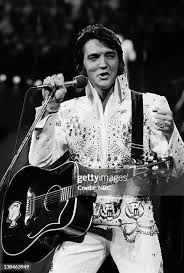
Introduction to Elvis Presley
Elvis Presley, often referred to as the “King of Rock and Roll,” revolutionized the music industry and pop culture in the mid-20th century. Born on January 8, 1935, in Tupelo, Mississippi, Presley became a defining figure, blending various music genres including R&B, country, and gospel. His unique style, charisma, and profound influence continue to resonate today, making him a crucial topic for both music enthusiasts and cultural historians.
Rise to Fame
Presley’s career took off in the mid-1950s with hits such as “Heartbreak Hotel,” “Hound Dog,” and “Jailhouse Rock.” His music broke racial barriers, appealing to a broad audience and contributing to the integration of popular music. Not only did he set charts alight, but his energetic performances and distinctive voice captured the hearts of millions.
By 1956, Elvis was a household name thanks to his groundbreaking appearance on iconic television shows, such as The Ed Sullivan Show. He became known for his dynamic stage presence and infamous dance moves, which stirred debates about morality and decency in entertainment.
Influence and Legacy
Elvis Presley’s impact extends beyond music; he became a symbol of youthful rebellion in the 1950s and an enduring figure in American culture. His style and persona influenced generations of musicians, artists, and popular figures. Icons such as The Beatles, Michael Jackson, and even contemporary artists like Bruno Mars cite Presley as a major influence on their craft.
On August 16, 1977, the world mourned the loss of Elvis, but his legacy only grew stronger over the years. Fans still flock to Graceland, his Memphis estate, which attracts over 600,000 visitors annually. The preservation of his music, films, and memorabilia has solidified his status as a cultural touchstone.
Current Commemorations
As we approach the anniversary of his passing, events celebrating his life and work continue to be organized worldwide. This year marks the 45th anniversary of his death, and tributes include concerts, exhibitions, and documentaries, showcasing his journey from a young boy in Tupelo to an international icon.
Conclusion
Elvis Presley remains a pivotal figure in the landscape of music and culture, transcending generations. His ability to blend various musical styles paved the way for future rock artists, ensuring that his legacy will persist in music history. For readers and fans alike, understanding his story is vital not just to appreciate his contributions but to recognize his role in the evolution of modern music and the cultural shifts that followed.