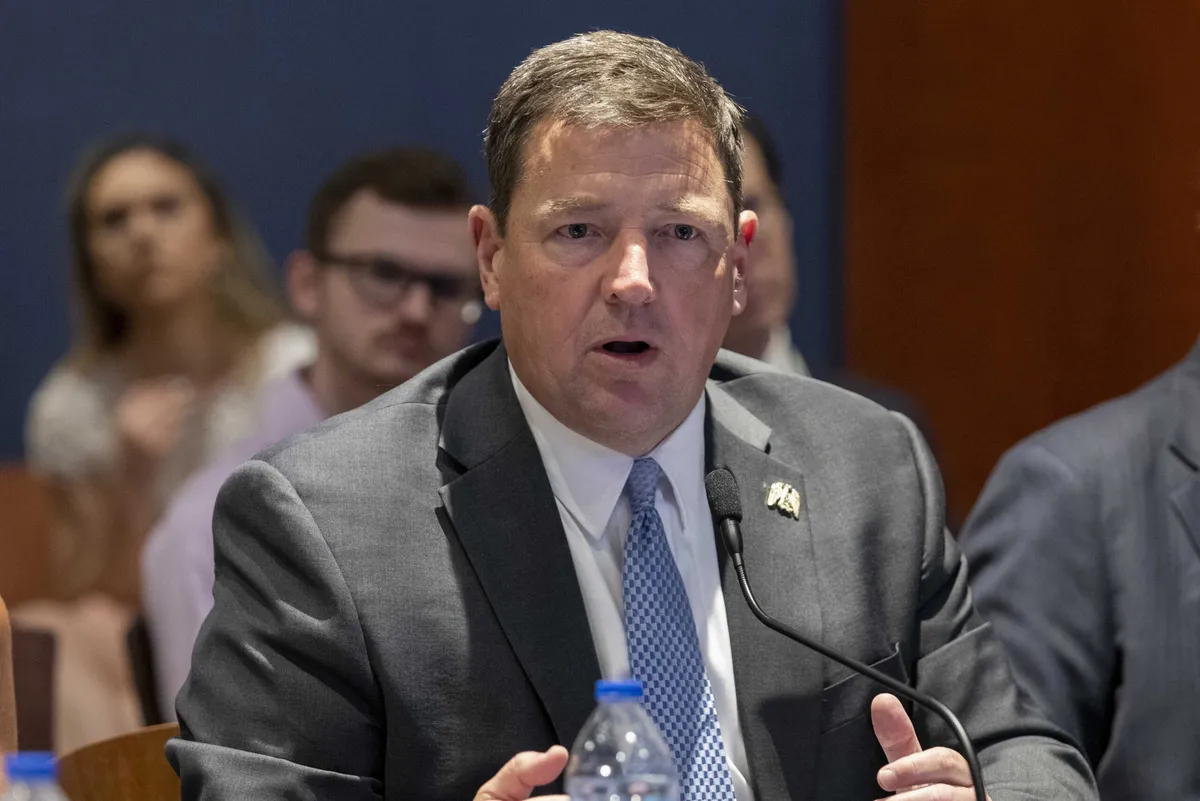
Significant Consequences for Ed Martin
Ed Martin is currently embroiled in disciplinary proceedings that could have severe consequences for his legal career. He faces accusations of ethics violations stemming from threatening letters he sent to Georgetown University Law School, which allegedly infringed upon the university’s constitutional rights.
The D.C. Disciplinary Counsel has formally filed accusations of misconduct against Martin, claiming that his actions violated both the First and Fifth Amendments. Specifically, he is accused of threatening to exclude Georgetown Law students from fellowships and internships, a move that raises serious ethical concerns.
Investigations and Charges
Martin’s conduct is under investigation by the D.C. Bar and the Board on Professional Responsibility. His actions while serving as the interim U.S. attorney for the District of Columbia have drawn scrutiny, especially given the potential for sanctions or even disbarment.
Hamilton Fox, a representative involved in the case, stated, “Mr. Martin knew or should have known that, as a government official, his conduct violated the First and Fifth Amendments to the Constitution of the United States.” This highlights the gravity of the allegations against him.
Background and Context
Previously, Martin was removed from his position as acting U.S. attorney after senators opposed his confirmation. He has since been appointed as the U.S. pardon attorney, where he oversees controversial pardons issued during the Trump administration.
The Justice Department has characterized the complaint against Martin as politically motivated, suggesting that the D.C. Bar’s actions may be part of a broader partisan agenda. A spokesperson for the DOJ remarked, “The DC bar’s attempt to target and punish those serving President Trump while refusing to investigate or act against actual ethical violations… is a clear indication of this partisan organization’s agenda.”
Legal Implications
Legal experts have pointed out that the implications of Martin’s actions are significant. William Treanor, a legal authority, noted, “Given the First Amendment’s protection of a university’s freedom to determine its own curriculum and how to deliver it, the constitutional violation behind this threat is clear.”
As the investigation unfolds, further developments are anticipated. Martin’s direct contact with judges of the D.C. Court of Appeals regarding the investigation raises additional questions about the propriety of his actions.
Details remain unconfirmed regarding the potential outcomes of these proceedings, but the stakes are undeniably high for Ed Martin as he navigates this challenging legal landscape.