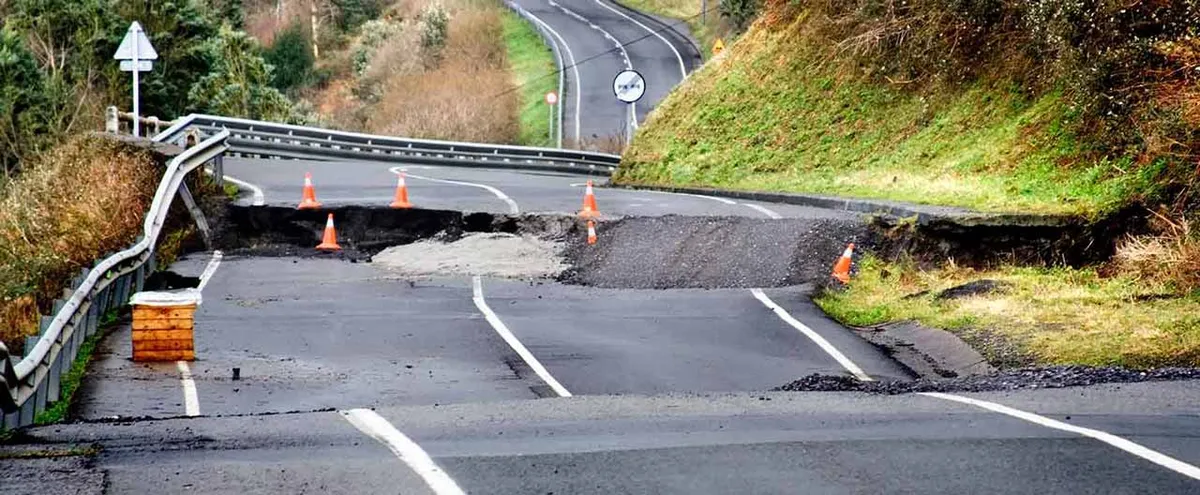
What does a magnitude 4.6 earthquake in the Santa Cruz Mountains tell us about seismic activity in California? It serves as a stark reminder that earthquakes can strike unexpectedly, even in areas with a history of seismic events. This quake, which occurred at 1:41 a.m. on April 2, 2026, was the strongest recorded in Santa Cruz County in over three decades, highlighting the ongoing geological volatility of the region.
The earthquake was centered near Boulder Creek and was initially reported with a magnitude of 5.1 before being revised to 4.6. Residents across the Bay Area, from Richmond to San Francisco, received alerts about the quake, which was felt widely across the region. Although the tremors startled many, no major damage was reported, aside from minor incidents such as broken dishes and a shattered television.
According to the U.S. Geological Survey, the quake was a significant event, but it also raised questions about future seismic risks in the area. The agency estimates a 1-in-3 chance of a magnitude 3 or greater quake occurring within the month following this event. Furthermore, there is a 1 in 200 chance of a magnitude 5 or greater quake and a 1 in 2000 chance of a magnitude 6 or greater quake within the same timeframe.
Experts like Susan Hough emphasize the unpredictability of earthquakes in California, stating, “It’s the type of earthquake that can pop off anywhere in California.” This sentiment is echoed by Robert de Groot, who notes that there are approximately 50 earthquakes a day in the state, underscoring the constant seismic activity that Californians live with.
Residents shared their experiences of the quake, with one local, Jenna Lupertino, describing the moment it struck: “It was super loud, I woke up, jumped out of bed, ran to my daughter’s room and then saw that she was fine and nothing really fell over in my house except for a mirror.” Such accounts reflect the immediate panic that can accompany seismic events, even when damage is minimal.
The historical context of seismic activity in the region cannot be overlooked. The 6.9 magnitude Loma Prieta earthquake in 1989, caused by the San Andreas Fault, serves as a reminder of the potential for devastating quakes in California. This recent event, while not as severe, highlights the ongoing risks and the importance of preparedness for residents in earthquake-prone areas.
As of 11:45 a.m. on the day of the quake, there were no aftershocks of magnitude 2.5 or above reported, providing some relief to residents who may have been anxious about further seismic activity. However, the potential for future quakes remains a concern, and experts continue to monitor the situation closely.
In summary, this earthquake serves as a crucial reminder of the seismic risks that California faces. While the immediate impact was minimal, the event raises important questions about preparedness and the likelihood of future earthquakes in the region. As scientists and residents alike reflect on this event, the ongoing dialogue about earthquake readiness and safety remains vital.