Introduction
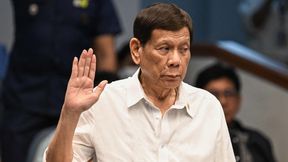
Rodrigo Duterte, the controversial former president of the Philippines, has left an indelible mark on the nation’s political landscape. His presidency, which spanned from June 2016 to June 2022, was characterized by aggressive drug policies, a push for federalism, and a controversial foreign policy, particularly regarding relations with China and the United States. Understanding Duterte’s administration is crucial for grasping the current socio-political climate in the Philippines and the ongoing implications of his policies.
Drug War Initiatives
One of the most notable aspects of Duterte’s presidency was his brutal war on drugs, which he claimed aimed to rid the Philippines of narcotics and crime. According to official data, thousands of drug-related killings occurred during this period, sparking outrage from human rights organizations both locally and internationally. Many have criticized these tactics as extrajudicial killings, leading to accusations against Duterte of crimes against humanity. Despite the criticisms, Duterte maintained a significant support base, claiming high public approval ratings throughout his presidency.
Foreign Policy Shifts
Duterte’s foreign policy pivoted dramatically compared to his predecessor. He aimed at strengthening ties with China while minimizing the Philippines’ relationship with the United States, posing challenges to traditional alliances. This shift was particularly evident in the South China Sea dispute, where the Philippines has territorial claims but has received mixed responses from its allies. The administration struck agreements for infrastructure investments from China, raising concerns regarding debt dependency and strategic sovereignty.
Economic Developments
During Duterte’s time in office, the Philippine economy experienced fluctuations. The government’s infrastructure program, “Build, Build, Build,” aimed to enhance the country’s infrastructure, leading to mixed reviews regarding its success. However, the COVID-19 pandemic significantly impacted economic growth, leading to a contraction in GDP, which remains a critical challenge for his successors.
Conclusion
As Filipinos move forward from Duterte’s presidency, the implications of his policies and governance style continue to resonate. The enforcement of his controversial drug policies, shifts in foreign relations, and economic strategies will remain topics of discussion and evaluation. The incoming administration faces the task of addressing the ramifications of Duterte’s leadership while navigating a complex political and social landscape. The future of the Philippines in a post-Duterte era will heavily depend on how new leadership addresses these enduring issues, striving for social justice, economic recovery, and balanced international relations.