Introduction to National Parks USA
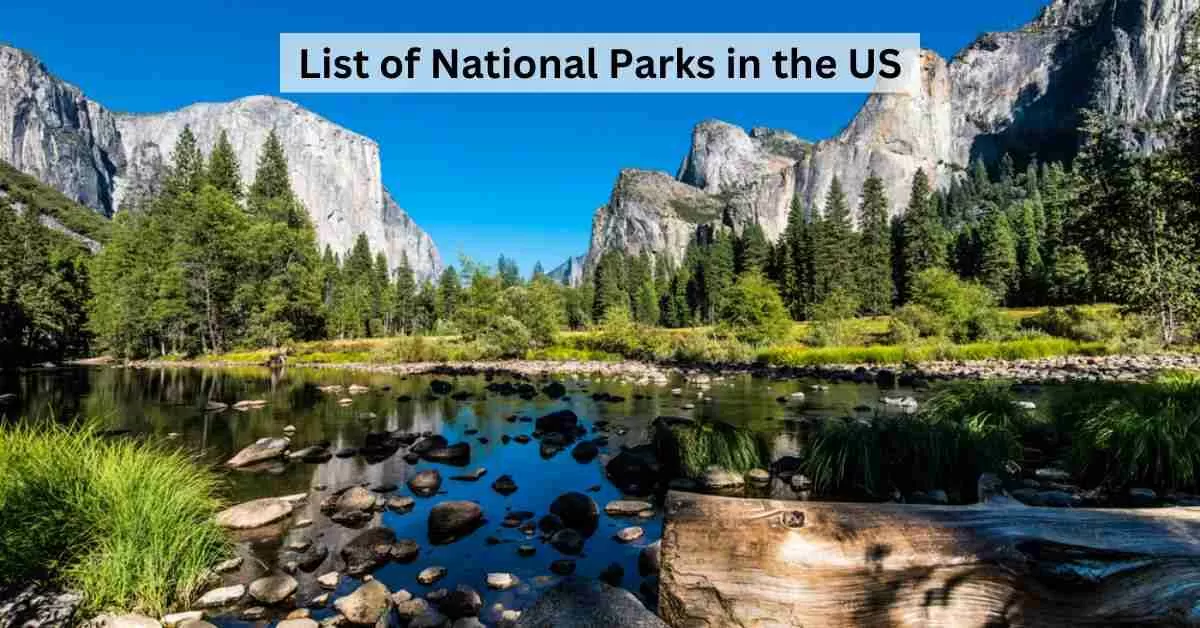
National Parks USA represent some of the country’s most treasured landscapes and ecosystems, protecting diverse flora and fauna while offering recreational opportunities for millions of visitors each year. The preservation of these natural wonders plays a crucial role in biodiversity conservation and provides a unique glimpse into America’s natural history.
Current Status of National Parks
As of 2023, the National Park Service (NPS) manages 63 designated national parks across America, encompassing over 84 million acres. From the towering peaks of Denali in Alaska to the vibrant geothermal features of Yellowstone, each park showcases unique landscapes that reflect the country’s geological diversity. Recent statistics show that national parks welcomed over 300 million visitors in 2022, underscoring their popularity as destinations for outdoor enthusiasts and families alike.
Moreover, this year marks the 107th anniversary of the National Park Service, highlighting its long-standing commitment to conserving these natural landscapes for future generations. This organization has also made significant strides in addressing climate change impacts, ensuring the preservation of habitats affected by rising temperatures and extreme weather events.
Challenges Facing National Parks
Despite their beauty and popularity, national parks face several challenges, including overcrowding, infrastructure maintenance, and environmental degradation. As visitor numbers increase, park officials are implementing measures to protect fragile ecosystems while ensuring that all guests have an enjoyable experience. In 2023, several parks have introduced timed entry systems to better manage traffic and preserve the integrity of park resources. Additionally, the growing threat of wildfires, exacerbated by climate change, poses significant risks to habitats and biodiversity.
Conclusion and Future Outlook
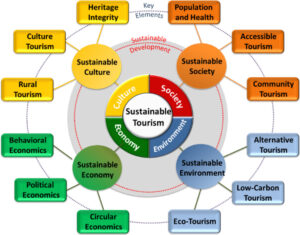
The national parks of the USA not only provide stunning vistas but also serve as essential sanctuaries for wildlife and natural ecosystems. As we look toward the future, continued efforts in conservation, climate resilience, and visitor education will be vital in preserving these cherished lands. The upcoming years are expected to focus on sustainability initiatives that encourage visitors to engage responsibly with nature while ensuring national parks remain vibrant and protected. These natural landmarks will continue to be a source of inspiration and recreation, offering a connection to the wilderness that is vital for both human well-being and ecological health.