Introduction
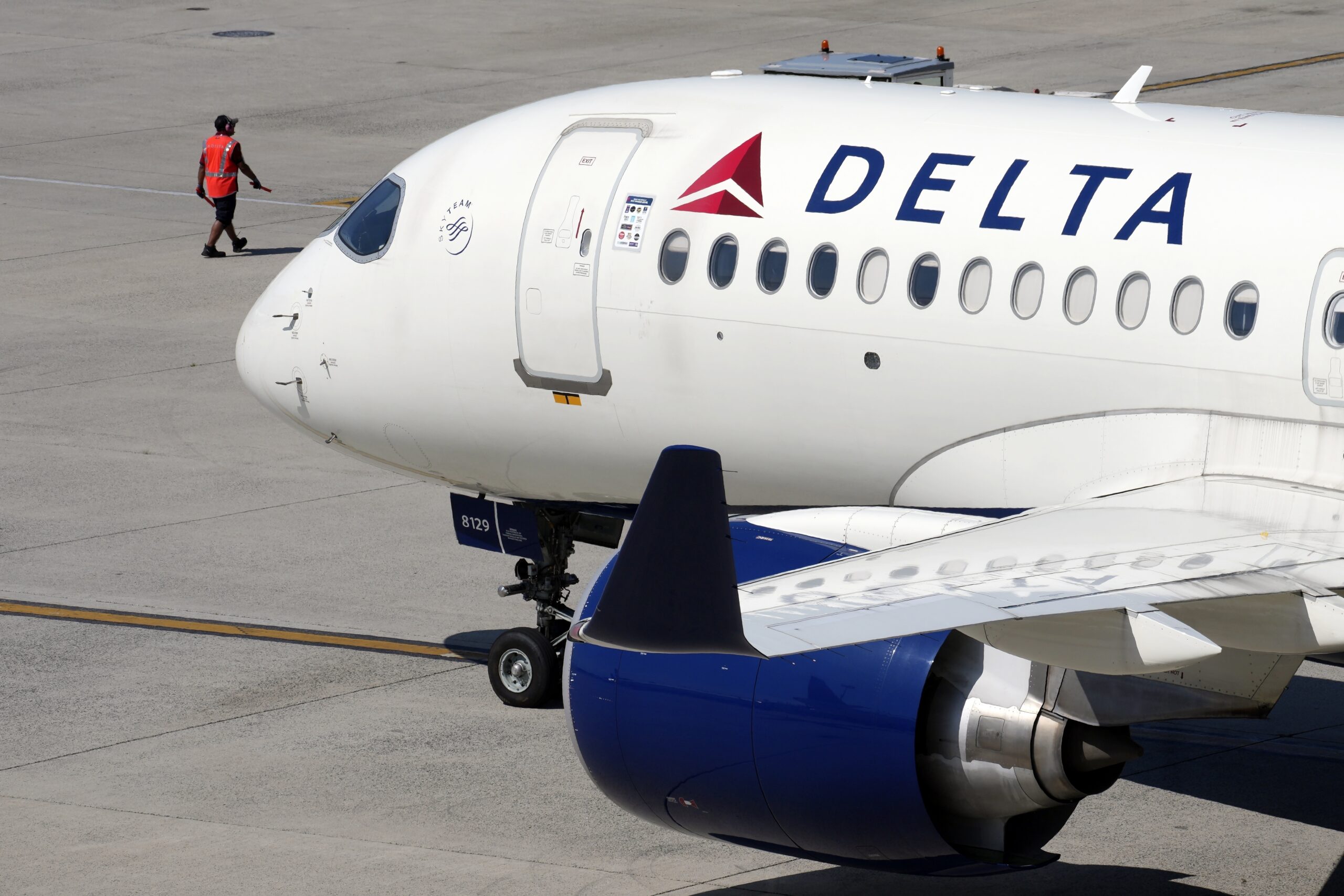
Delta Airlines is one of the largest airlines in the United States and a key player in the international aviation market. Founded in 1924, the airline has built a reputation for excellence in service, safety, and reliability. As the airline industry continues to recover from the unprecedented challenges brought about by the COVID-19 pandemic, Delta Airlines is facing numerous opportunities and challenges that are essential for industry watchers to understand. With a focus on innovation and customer experience, Delta is stepping up to cement its position as a leader in air travel.
Current Developments
Recently, Delta Airlines has announced several initiatives aimed at enhancing its operational efficiency and passenger comfort as air travel continues to revive. One of the most significant changes includes an investment of $1.5 billion in technology upgrades to improve its fleet’s carbon emissions while also upgrading its passenger terminals to create a more seamless travel experience. This includes the installation of advanced biometric screening technology intended to expedite the security process and reduce wait times for travelers.
Furthermore, Delta introduced a new sustainable aviation fuel program in partnership with various biofuel manufacturers, highlighting its commitment to reducing greenhouse gas emissions. This initiative aims for a 10% reduction in carbon emissions by 2030, marking a pivotal move toward environmental sustainability and setting an industry standard for other airlines to follow.
Improving Customer Experience
Delta has been actively pursuing ways to enhance customer experience as well. The airline recently launched a new baggage tracking feature via its mobile app, allowing passengers to monitor the status of their luggage in real-time. Additionally, Delta is improving in-flight services by introducing new menu options prepared by renowned chefs, providing a more premium dining experience in its first-class cabins.
Following public demand for flexible travel options post-pandemic, Delta has also committed to extending its no-fee change policy, allowing greater maneuverability for passengers adjusting travel plans.
Conclusion
As Delta Airlines continues to navigate the complexities of the current air travel landscape, it remains focused on operational efficiency, sustainability, and customer satisfaction. The airline’s strategic initiatives not only aim to recover from past disruptions but also to position it favorably for future growth as travel demand rebounds. Analysts predict that with ongoing investments in technology, sustainability, and customer experience, Delta will continue to thrive in an increasingly competitive industry. As a leading airline, Delta’s journey provides insights into the future of air travel, calling attention to the vital balance between profitability, customer care, and environmental responsibility.