The Importance of Daylight Savings Time
Daylight Savings Time (DST) has been a practice that many countries, including the United States, adopt to make better use of daylight during the longer days of summer. Clocks are set forward in spring and back in autumn, and this change is not just about adjusting clocks; it impacts various aspects of life including energy consumption, scheduling, and even health.
When Does Daylight Savings Time End?
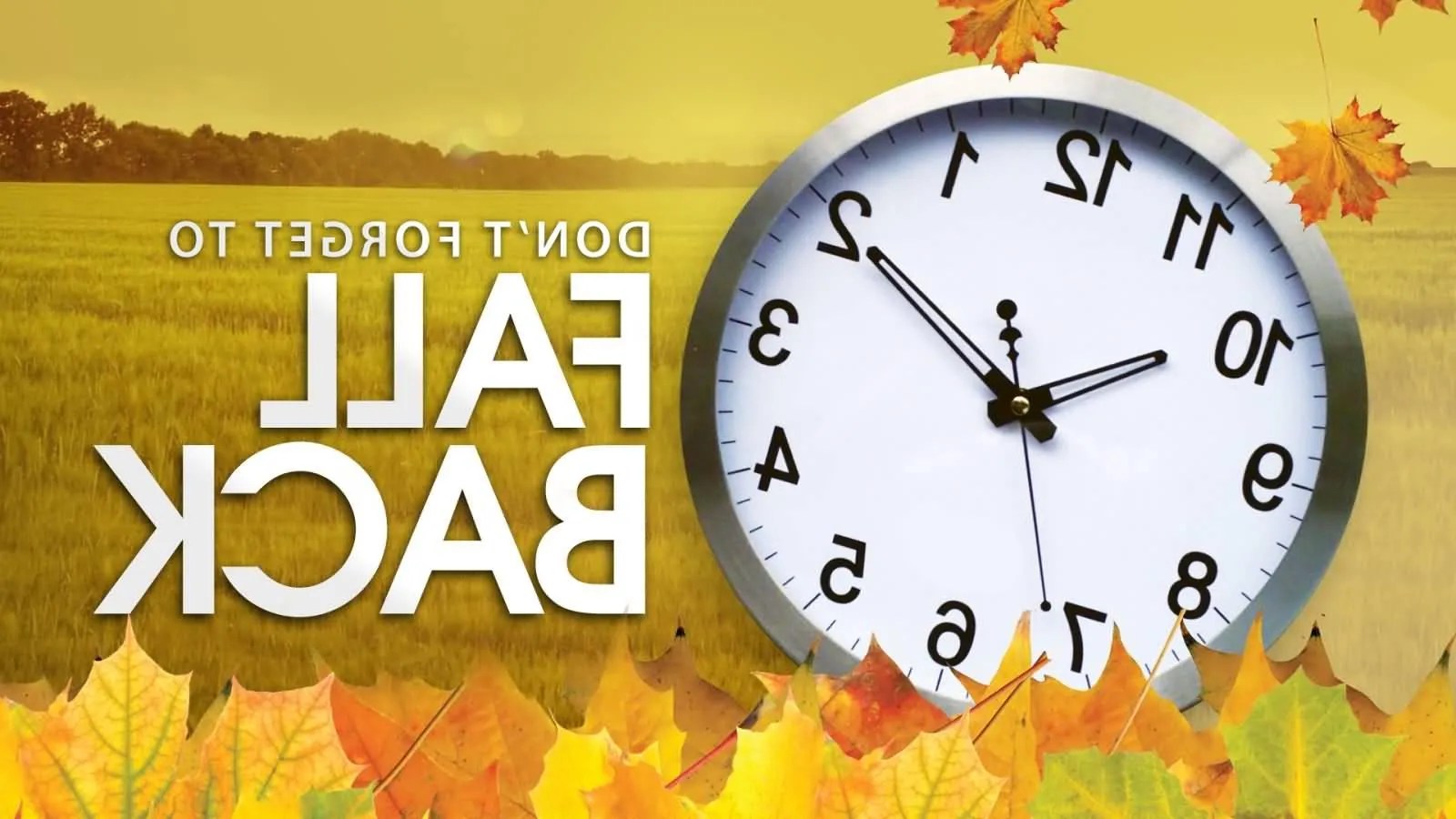
In the United States, Daylight Savings Time ends on the first Sunday in November. This year, it will conclude on November 5, 2023. At 2:00 AM, clocks will revert to 1:00 AM, giving everyone an extra hour in their day. This shift is crucial as it represents the transition to winter time, when days become shorter and nights longer.
Impact on Everyday Life
The end of DST can have various effects on daily life. For many, gaining an extra hour can mean additional time for activities, relaxation, or work. However, it can also disrupt sleep patterns as people adjust to the changes. Health experts suggest preparing for this transition by gradually adjusting sleep schedules in the days leading up to the change.
Moreover, the conclusion of Daylight Saving Time also affects businesses, particularly in retail and leisure sectors, which might see variations in customer behavior as daylight hours shift. Utilities have observed changes in electricity consumption patterns, often reporting a decrease in usage during the longer light hours of the day.
Public Sentiment and Future of DST
There has been an ongoing debate about the necessity of Daylight Savings Time. Some regions have chosen to remain on standard time year-round, while others are advocating to abolish the annual clock change altogether. Surveys indicate that a significant portion of the population expresses a desire for permanent daylight savings or standard time, arguing that the biannual adjustment is disruptive and no longer relevant in today’s 24/7 world.
Conclusion
As we gear up for the end of Daylight Savings Time on November 5, it’s important for individuals to prepare for the changes that come with the shift. Whether adjusting sleep schedules, rescheduling activities, or simply enjoying that extra hour, understanding the implications of this annual event can make the transition smoother. As discussions about the future of DST continue, the impact of this twice-annual clock change remains pertinent to our everyday lives.