Introduction
Daylight Savings Time (DST) is a practice adopted by many regions across the United States, shifting the clock forward in spring and back in fall. As the year comes to a close and we prepare for the time change, it is essential to understand its relevance and implications. This time shift not only affects our daily routines but also has broader impacts on energy consumption, health, and safety.
Key Details on the Change
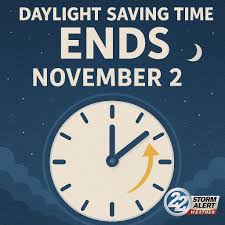
This year, Daylight Savings Time will come to an end on Sunday, November 5, 2023. At 2:00 AM local time, clocks will be set back one hour to 1:00 AM, granting an extra hour of sleep for many. This transition marks a return to Standard Time, a system that has been in place in the U.S. since the 1960s, with the primary aim of maximizing daylight during waking hours.
The practice of DST, while initially intended to save energy, has been debated extensively, with some studies indicating that the energy savings are negligible. Nonetheless, the time change is believed to lower crime rates, as longer daylight hours are associated with reduced darkness during peak activity periods.
Health Impacts and Adjustments
However, this transition can also have significant impacts on health and well-being. Research suggests that the abrupt change in sleep patterns associated with ending DST can lead to various health issues, including increased risk of heart attacks, depression, and impaired cognitive function. Sleep experts recommend taking measures in the days leading up to the change to adjust sleep schedules gradually to preempt negative consequences.
Public Sentiment and Future Considerations
Public sentiment on DST has shifted in recent years, with growing calls for its abolition. Some states have already proposed legislation to remain on Daylight Savings Time year-round. Proponents argue that a permanent DST would provide more evening daylight and could enhance productivity and leisure activities. However, any significant change would require federal approval, which has yet to materialize.
Conclusion
As we prepare for the end of Daylight Savings Time, it is vital for individuals to be aware of both the benefits and drawbacks of this seasonal adjustment. Whether you embrace the extra hour of sleep or dread the darker evenings, the time change is here to remind us of the cyclical nature of our schedules. Watching public discourse evolve on this topic will also be crucial, as changing perceptions could lead to lasting changes in how we keep time in the future.